
 1 (833) 453-5643
Quick Answer: Combining surgery with appropriate postoperative treatment may lower the risk of a keloid returning. Depending on the individual case, treatment may include corticosteroid injections, silicone therapy, pressure therapy, cryotherapy, or postoperative radiation. No treatment can guarantee that a keloid will not return.
Keloid surgery can feel like a fresh start, but it is natural to worry that the scar will come back. The good news is that recurrence is not something you have to wait for and hope against.
Understanding what affects healing and knowing which steps to take after surgery can help you protect the area and recognize potential regrowth early. Below, we explain why keloids return, how specialists work to reduce that risk, and what you can do throughout recovery.
Key Takeaways
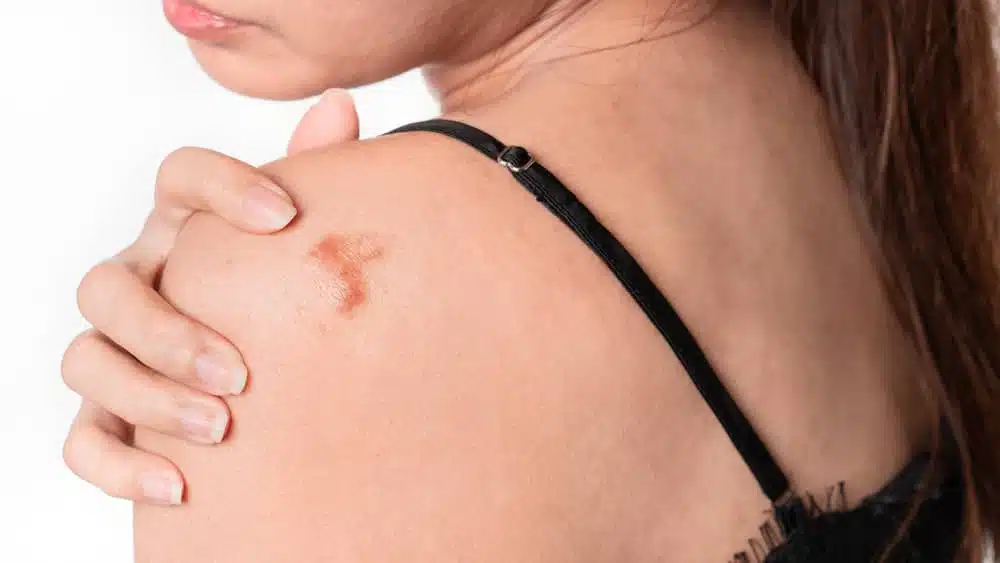
- Keloids grow back because the body’s healing response remains overly aggressive, even after the scar is removed.
- Any new skin injury, including surgery, can trigger the same excessive collagen production that caused the original keloid.
- The body mistakenly interprets the wound as needing extra reinforcement, leading to thick, raised scar tissue.
- People who develop keloids often have a genetic predisposition that makes recurrence more likely.
- Removing a keloid alone does not change the underlying tendency toward excessive scar formation. This is why specialists often consider additional postoperative treatments to reduce recurrence risk.
How to Reduce the Risk of a Keloid Returning After Surgery
Preventing recurrence usually requires more than removing the existing scar. Because every keloid and patient is different, your surgeon may recommend a combination of postoperative treatments, wound care, and follow-up appointments.
1. Follow Your Postoperative Treatment Plan
Attend every scheduled appointment and complete any treatment recommended by your specialist. Depending on your case, the plan may include corticosteroid injections, silicone therapy, pressure therapy, cryotherapy, laser treatment, or postoperative radiation.
The American Academy of Dermatology notes that specialists often combine two or more treatments because keloids can be difficult to control and may return after a single treatment.
2. Protect the Healing Incision
Avoid picking, scratching, rubbing, or placing repeated pressure on the surgical site. Follow your provider’s instructions for cleaning the incision, changing dressings, and keeping the area protected.
Contact your provider if you notice increasing redness, warmth, drainage, wound separation, or worsening pain. These changes may indicate a wound complication that requires medical attention.
3. Use Silicone or Pressure Therapy as Directed
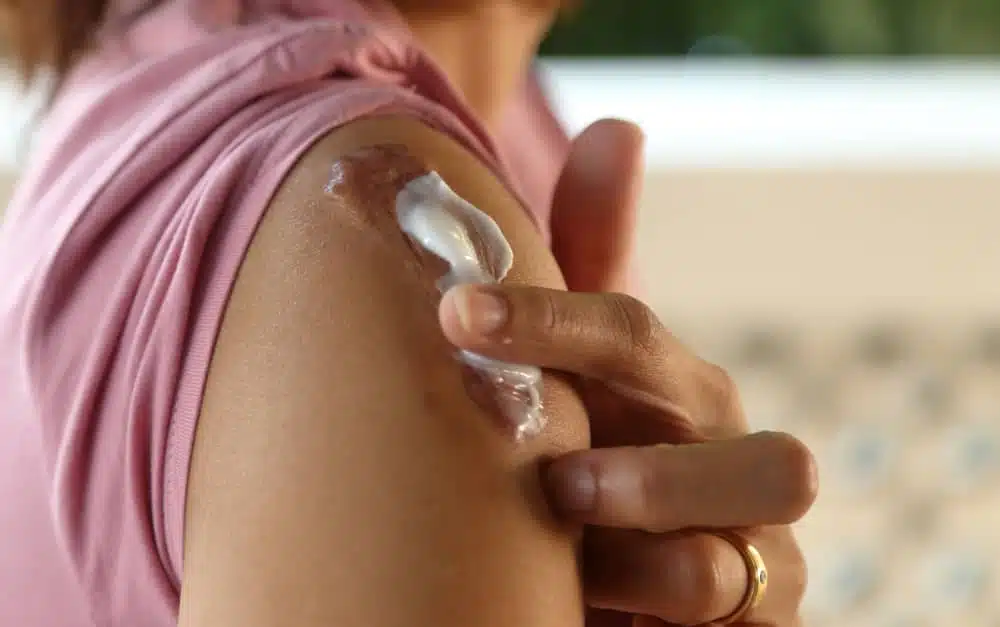
Silicone gel or silicone sheets may be included in a postoperative scar-management plan. However, silicone should not be applied to an open wound or scab. Wait until your provider confirms that the incision has healed enough to begin.
Pressure garments, dressings, or earrings may also be recommended for certain keloids, especially those on the ear. A 2023 evidence-based review found support for silicone sheeting and pressure therapy as part of efforts to reduce keloid recurrence.
4. Protect the Healed Scar From Sun Exposure
After the incision has healed, protect it with clothing or broad-spectrum sunscreen. Sun protection does not guarantee that a keloid will not return, but it can help limit darkening and uneven pigmentation while the scar matures.
Ask your provider when it is safe to begin applying sunscreen directly to the area.
5. Watch for Early Signs of Recurrence
Pay attention to new itching, firmness, thickening, tenderness, or growth around the surgical scar. The American Academy of Dermatology recommends contacting a dermatologist promptly when a surgical scar begins to thicken.
Early evaluation may allow your provider to adjust the treatment plan before the scar becomes larger or more difficult to manage.
6. Support Your General Recovery
A balanced diet, sufficient hydration, adequate rest, and stress-management practices can support general well-being during recovery. However, no particular food, supplement, or relaxation technique has been proven to prevent a keloid from returning.
Ask your provider before starting new vitamins, supplements, skin products, or scar treatments after surgery.

Leading Experts in Keloid Plastic
Surgery in Miami Beach
What Should I Do if a Keloid Grows Back After Surgery?
A recurring keloid does not necessarily mean that further treatment will be unsuccessful. It may mean that the treatment plan needs to be adjusted or that a combination approach is needed.
A specialist will consider the keloid’s location, size, symptoms, previous treatments, speed of recurrence, and your individual risk factors before recommending the next step.
Corticosteroid injections
Corticosteroids can be injected directly into a keloid to help flatten the scar and reduce symptoms such as itching or pain. Multiple treatments are usually needed, and possible side effects include skin thinning and changes in pigmentation.
Other medications, such as 5-fluorouracil, may be used alone or with corticosteroids. The appropriate medication and treatment schedule depend on the scar and the patient’s medical history.
Silicone and Pressure Therapy
Silicone gel, silicone sheets, or pressure devices may help flatten a keloid or reduce the risk of further growth. They generally require consistent use for an extended period and are often combined with another treatment.
Silicone can sometimes cause irritation or a rash, while pressure devices may be uncomfortable or difficult to wear consistently. These treatments should be used according to your provider’s instructions.
Cryotherapy
Cryotherapy uses controlled freezing to reduce the size and firmness of keloid tissue. It is generally more suitable for smaller keloids and may be combined with injections or surgery.
Several sessions may be required. Cryotherapy can also cause lasting lightening of the treated skin, which is an important consideration for patients with darker skin tones.
Laser Treatment
Laser treatment may help reduce a keloid’s redness, thickness, itching, or discomfort. It is commonly used with injections or another therapy rather than as a stand-alone treatment.
The type of laser, number of sessions, and risk of pigment changes depend on the scar and the patient’s skin type. Treatment should be performed by a clinician experienced in treating keloids.
Surgery Combined With Additional Treatment
Another surgical procedure may be considered when a recurrent keloid is large, painful, restricts movement, or has not responded to less invasive treatment. Because excision alone carries a substantial recurrence risk, surgery is generally combined with another therapy.
The additional treatment may include injections, silicone, pressure therapy, cryotherapy, or postoperative radiation. The combination should be selected according to the keloid’s location, previous treatment results, and individual risks.
Postoperative Radiation
Radiation may be recommended shortly after surgical removal for selected recurrent or difficult-to-treat keloids. An evidence-based systematic review found that excision followed by prompt radiation can be an option for resistant lesions.
Radiation is not appropriate for every patient. The potential benefits, timing, skin reactions, pigment changes, and long-term risks should be reviewed with the surgeon and radiation specialist.
No single treatment can guarantee that a keloid will not return. The American Academy of Dermatology recommends an individualized plan based on the scar, previous treatment results, symptoms, and the patient’s goals.
BEFORE & AFTER GALLERY
Natural & Unparalleled Results
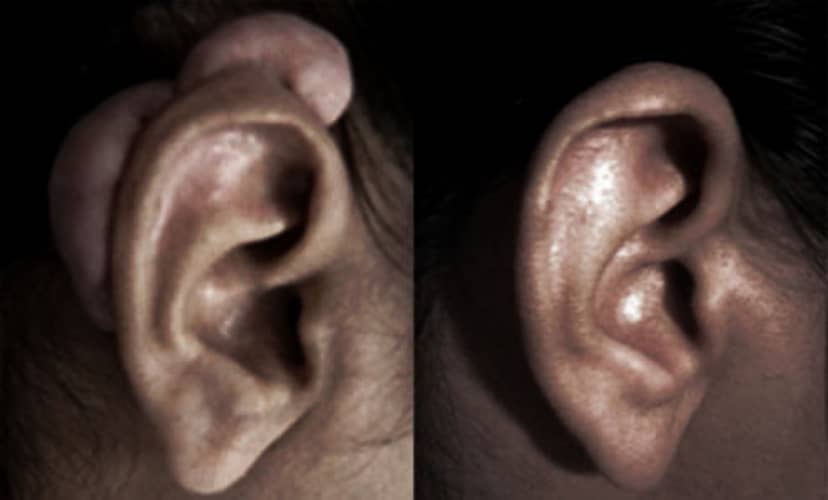
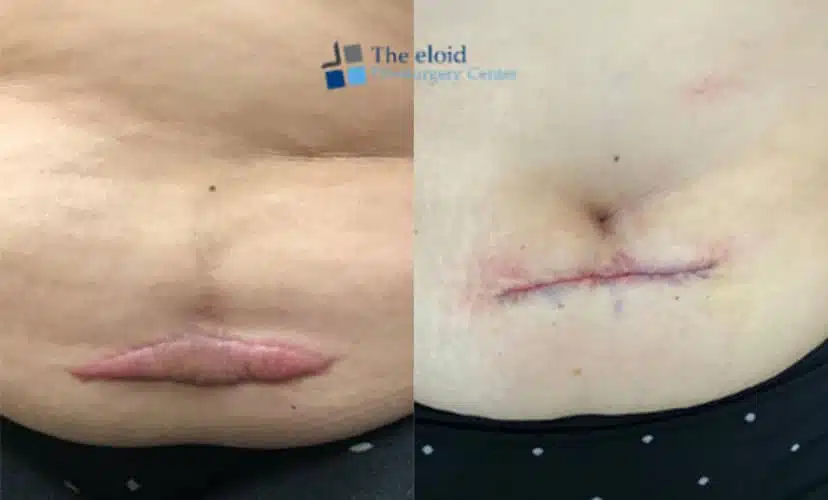
* All patients are unique and individual results may vary.
Can Keloid Removal Provide Long-Term Results?
Keloid treatment can produce meaningful, long-lasting improvement, but no procedure can guarantee that a keloid will never return. Results vary based on the scar’s location, size, previous treatment history, individual healing response, and adherence to follow-up care.
Your specialist should explain the expected benefits, recurrence risk, possible side effects, and follow-up requirements before treatment begins.
When to See a Doctor for Keloid Growth
If a scar becomes raised, thick, itchy, painful, or continues to grow, it’s time to see a healthcare professional. Early evaluation is especially important if you have a history of keloids, since early evaluation may allow treatment to begin before the scar becomes larger or more difficult to manage.
A specialist can determine whether a scar is a keloid, assess your risk of recurrence, and recommend an individualized treatment plan based on the scar and your medical history.
Why Choose The Keloid Plastic Surgery Center for Keloid Scar Treatment
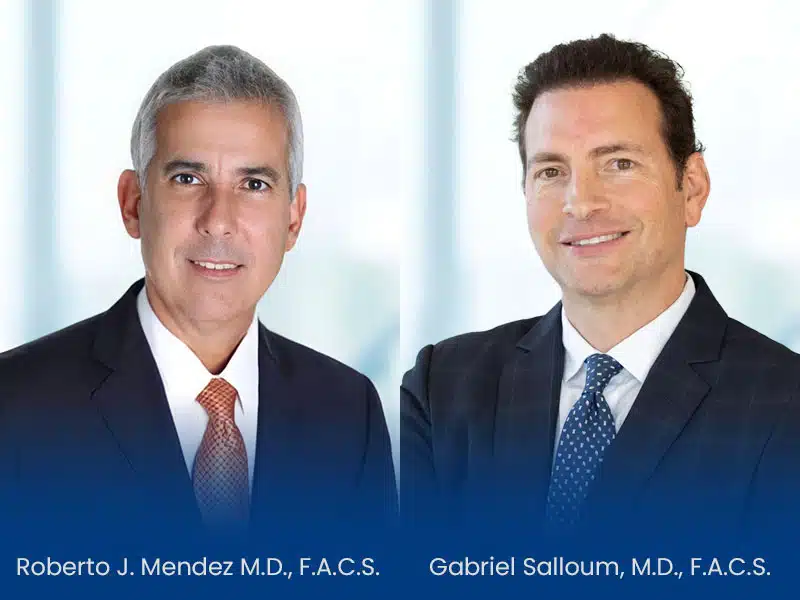
Keloid-prone skin requires more than standard scar care; it requires experience, precision, and a comprehensive treatment approach. At The Keloid Plastic Surgery Center, board-certified Plastic and Reconstructive Surgeons Dr. Roberto Mendez and Dr. Gabriel Salloum specialize exclusively in keloid management, treating everything from small, stubborn scars to complex post-surgical keloids.
Our practice is among the few in the U.S. utilizing advanced XRT technology alongside surgical and non-surgical therapies to reduce recurrence and improve long-term outcomes. To schedule your consultation, call 833-453-5643 or visit our contact page today.
Frequently Asked Questions
There is no fixed timeline. Months can pass before a keloid becomes noticeable, and it may continue growing slowly over months or years. Continue monitoring the surgical site even after the incision appears healed, and contact your provider if you notice new thickening, firmness, itching, or growth.
If you are prone to keloids, a new tattoo or piercing can create another skin injury and trigger a new keloid, even in a different location. Discuss the risks with your dermatologist or plastic surgeon before having a tattoo, piercing, or cosmetic skin procedure.
Keloids are benign, meaning they are not cancerous or contagious. However, they can cause itching, pain, tenderness, restricted movement, or emotional distress. Have the area evaluated if you are unsure whether the growth is a keloid or if its appearance changes unexpectedly.