
 1 (833) 453-5643
A keloid scar after mole removal is an uncommon but possible outcome of the healing process. While most mole removal scars heal flat and fade over time, some individuals develop raised, thickened scars due to an overactive healing response. Understanding whether mole removal leaves a scar—and when that scar may become a keloid—is essential for early prevention and proper treatment.
Dr. Salloum and Dr. Mendez specialize in identifying abnormal scarring after mole removal and emphasize that early care plays a critical role in minimizing scar severity and preventing keloid formation.
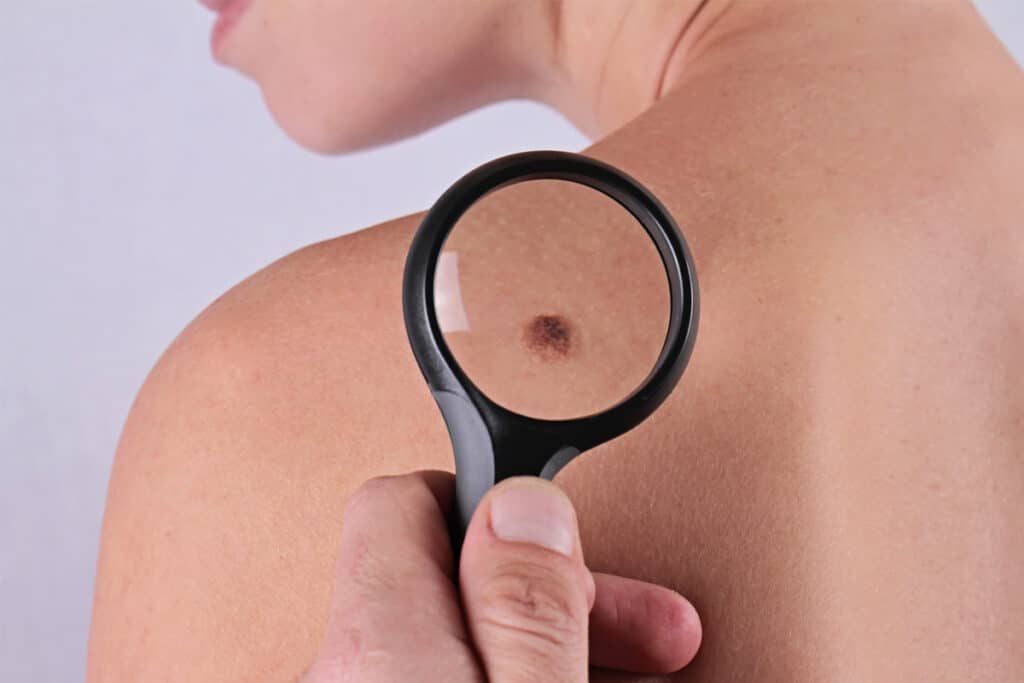
How Do You Care for a Keloid Scar After Mole Removal?
A keloid scar after mole removal can develop as thick, raised tissue at the treatment site. Early and consistent care is key to reducing its severity. Using silicone sheets or gel, protecting the area from sun exposure, and monitoring changes in the scar can help limit growth. If a keloid begins to form, treatments such as steroid injections or laser therapy may help improve its appearance.
Understanding Keloid Scars: The Problem and Solution
Keloid scars are a type of abnormal scarring that can develop after skin injuries, including those from removing an entire mole. An abnormal wound-healing process causes these scars, leading to an overproduction of collagen. This excess collagen results in a noticeable scar that is raised, firm, and often expands beyond the injury site.
For people with a surgical procedure to remove moles, there’s a risk of scarring, which might lead to a keloid. The growth of this type of scarring can lead to discomfort, itchiness, and even pain. It can also limit movement when near joints, making it a practical health concern as well as a cosmetic one.
Normal Scar vs Hypertrophic Scar vs Keloid After Mole Removal
After mole removal, not all scars heal the same way. A normal scar typically stays flat and gradually fades. A hypertrophic scar becomes raised but remains confined to the original wound area and may improve over time. A keloid scar after mole removal, however, grows beyond the original incision, becomes thick and firm, and may continue enlarging without treatment. Identifying the scar type early helps determine the most effective treatment approach.
1. Immediate Post-Removal Care
Proper care after mole removal is essential for a smooth recovery and minimizing the chance of keloid scars. Here are the key steps to ensure effective healing:
- Keep the Area Clean: This helps prevent infections that can slow down the healing process. Wash the area gently and pat it dry thoroughly.
- Apply Antibacterial Ointment: Protect the site by applying antibacterial ointment to ward off infections.
- Cover with a Sterile Bandage: This helps keep the wound free from external contaminants.
- Care for Stitches: If stitches are present, they need to be kept free from strain to prevent keloid scars.
Special attention during the early steps of mole removal wound care is crucial for promoting the healing process and avoiding any complications. Handle the area with care at all times to support healing.
Healing Timeline After Mole Removal
- First 1–2 weeks: The wound closes and new skin forms. Mild redness, tenderness, or a small scab is normal during this stage.
- Weeks 3–6: The area may look pink or slightly raised as collagen builds. This is when early scar changes—and potential keloid formation—can begin.
- After 6 weeks: Most scars slowly soften and fade, but keloid scars may continue to thicken or grow beyond the original mole removal site.
2. Identifying Signs of Keloid Formation
It’s essential to watch for signs of keloid formation after mole removal. Be alert to changes such as:
- Changes in Scar Texture: If a healing scar shifts from smooth to raised, this might suggest the beginning of keloid formation.
- Discoloration: A scar taking on a new color could be a warning sign.
- Growth Beyond the Wound: If the scar grows past the boundaries of the original skin injury, the chances of keloid formation can increase.
Recognizing these symptoms early and consulting a healthcare provider can be crucial in managing potential keloids.
Is a Bump or Lump After Mole Removal Normal?
It’s very common to notice a small bump or lump after mole removal, especially during the early stages of healing. In many cases, this is part of the body’s normal repair process and may be caused by swelling, internal stitches, or temporary scar tissue forming beneath the skin.
However, if the bump continues to grow, feels firm, or extends beyond the original mole removal site, it could be an early sign of a keloid or hypertrophic scar. Keloids tend to become thicker over time rather than flattening out on their own.
3. Early Intervention Strategies
Acting quickly upon noticing the first signs of keloid development is vital for effective management after mole removal. Early intervention may greatly reduce the chance of severe keloid scarring. This approach includes measures to curb the body’s tendency to heal beyond what is necessary, leading to keloids.
- Silicone Sheets or Gels: These are not specifically mentioned, but including treatments such as silicone sheets or gels from the beginning could be beneficial for managing keloids.
- Compression Therapy: The use of pressure, or compression therapy, alongside other treatments, can be effective.
- Customization: Tailoring treatments to the individual’s form of keloid scarring is critical.
- Excessive Healing Response: Addressing the body’s excessive healing response early on can improve outcomes and prevent extensive scarring.
- Therapy Inclusion: Incorporating therapy in the initial stages is essential for improving the outcome.
By focusing on these key components of early intervention, the chances of success in managing the form of keloid scarring after mole removal are significantly increased.
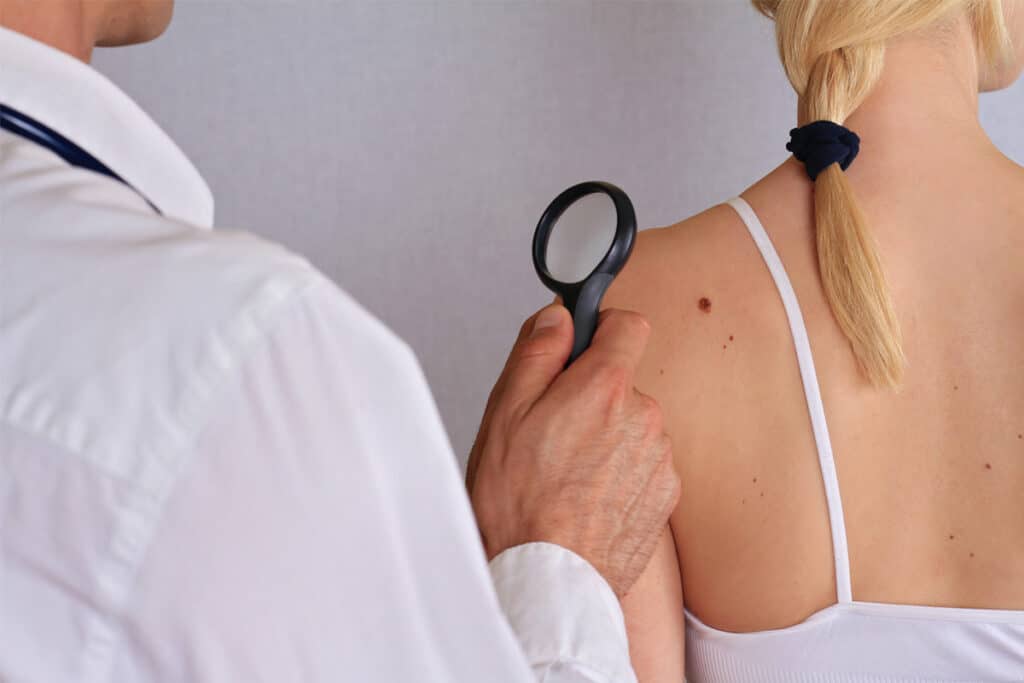
4. Seeking Professional Treatment
For managing keloid scars when home remedies are not enough, the following professional treatments are available:
- Corticosteroid Injections: Often used to reduce inflammation in scar tissue, helping to flatten and soften keloids.
- Laser Treatment: Utilizes focused light beams to diminish redness and enhance the scar’s texture; multiple sessions are typically needed.
- Keloid Scar Removal Surgery: A more direct method, it must be performed carefully to prevent keloid recurrence.
Post-procedure strategies to prevent the return of keloids include:
- Combining surgery with corticosteroid injections.
- Utilizing laser surgery to further improve skin texture.
5. Implementing Preventative Measures
To minimize the risk of keloid scar formation following mole removal, incorporating certain practices into your daily routine can promote skin recovery:
- Sun Protection: Shield the area from direct sunlight to lower the chances of skin cancer and unwanted scarring.
- Gentle Skincare Products: Opt for products that support healing cells without triggering an excessive healing process.
- Regular Monitoring: Keep an eye on the mole tissue site for any changes that might indicate complications.
By committing to these preventative steps, you can help diminish the likelihood of keloids and maintain healthy skin.
Mole Removal Scars on the Face: What Makes Them Different?
Scars from mole removal on the face require special attention because facial skin heals differently and is constantly in motion. Even small scars can become more noticeable over time if healing isn’t carefully managed. Early intervention—such as silicone therapy, sun protection, and close monitoring—is especially important on the face to prevent raised or thickened scars.
Because cosmetic outcomes matter more in visible areas, treatment by a specialist experienced in facial scarring can significantly reduce the risk of long-term keloid formation.
Additional Advice and Precautions
- Understanding Healing Process:
Patients should recognize the duration and expectations related to the healing of keloid scars. It’s essential to remain aware that keloids may lead to visible scarring. Managing expectations involves being realistic about healing time as well as the potential for changes in texture and coloration compared to the surrounding skin.
- When to See a Doctor:
If a keloid scar enlarges, increases in discomfort, or doesn’t respond well to initial treatments, it’s critical to seek a doctor’s advice. This is particularly true for hypertrophic scarring, which may appear similar but often necessitates a different treatment plan.
- Treatment Options:
Injections can be beneficial in flattening keloids and reducing discomfort. However, such procedures must be administered by an experienced healthcare professional to ensure effectiveness.
Achieving the Best Outcome in Keloid Management
If you have a keloid scar from removing a mole, it’s important to get help from a specialist. Dr. Salloum and Dr. Mendez know how to handle tough and returning keloids. He aims to make you look and feel good by focusing on natural-looking results.
For advice tailored to your keloid scar, book a meeting with our experts. Their background makes them a great choice for your care. Count on his dedication to keeping patients safe and happy as you work towards improving your scar.
FAQs About Scars After Mole Removal
Yes, any mole removal creates some degree of scarring. In most cases, the scar is small and fades over time, but some people are prone to developing thicker scars, including keloids.
Not everyone develops a noticeable scar. Scar appearance depends on skin type, genetics, location of the mole, and how the area heals after removal.
Scars are permanent, but they usually improve in texture and color over several months. With proper care and early treatment, scars—including keloid scars—can often become much less noticeable.
Raised or thick scars can occur when the body produces too much collagen during healing. This exaggerated response may lead to a hypertrophic scar or a keloid, especially in individuals with a genetic tendency.