
 1 (833) 453-5643
Keloids in pregnancy can be a source of concern for many patients, especially when scars begin to grow, change in thickness, or cause discomfort. Hormonal changes during pregnancy can affect wound healing and scar tissue formation, which may increase the risk of keloid formation or cause existing scars to become more noticeable. Understanding safe treatment options and knowing when to seek medical care can help protect both maternal health and skin healing.
At The Keloid Plastic Surgery Center in Miami Beach and Aventura, Florida, Dr. Roberto J. Mendez and Dr. Gabriel Salloum provide specialized evaluation and treatment for keloid scars. Their approach focuses on personalized scar management and careful treatment planning, including careful timing considerations for patients who are pregnant or postpartum.
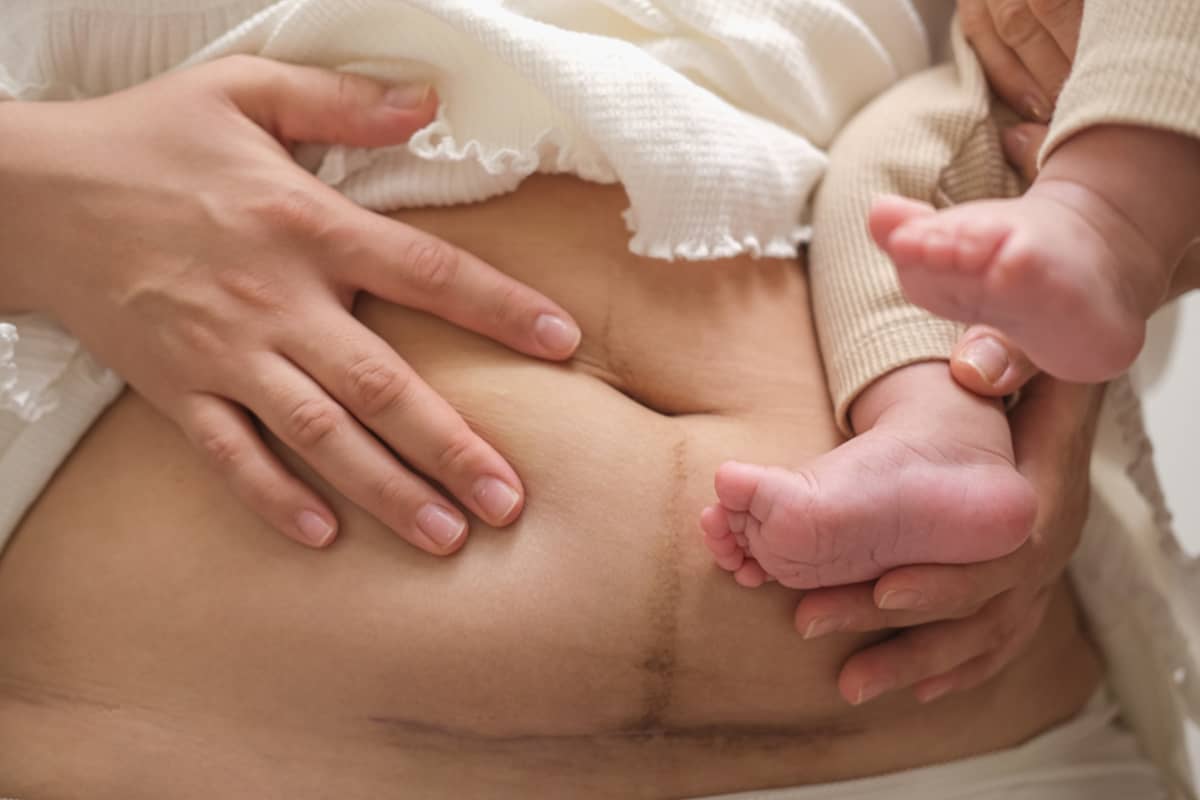
What Expecting Mothers Should Know About Keloid Care
- Hormonal changes during pregnancy may influence scar growth and healing.
- Some keloid treatments may be delayed to protect maternal and fetal health.
- Safe scar management strategies may help control symptoms during pregnancy.
- Early evaluation may help prevent excessive keloid formation.
- Specialist care supports safer treatment planning before and after delivery.
Why Keloids May Grow or Change During Pregnancy
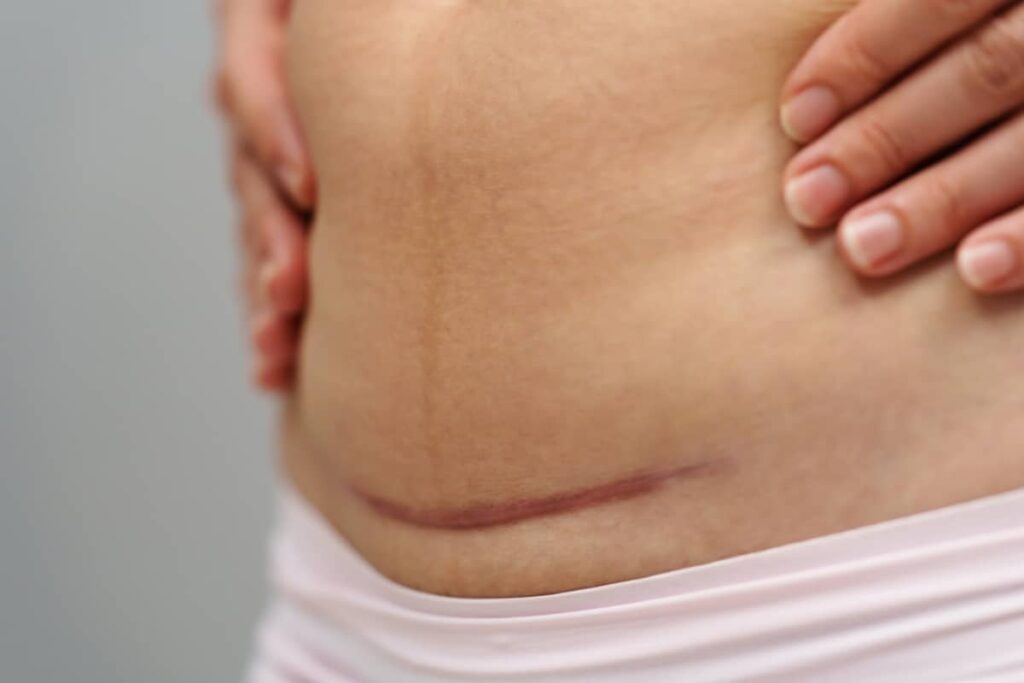
Pregnancy affects many physiological processes, including skin healing and collagen production. These changes may influence how the body responds to wounds, surgical scars, or skin irritation.
Hormonal Effects on Wound Healing and Scar Tissue
During pregnancy, increased hormone levels can affect the body’s healing response. These changes may stimulate collagen production and alter the thickness of scar tissue. For some patients, this may cause existing keloids to grow or become more raised.
The body’s response to the original wound may become more pronounced, leading to increased scar tissue formation beyond the initial injury.
Increased Blood Flow and Skin Sensitivity
Pregnancy also increases blood circulation and skin sensitivity. This can contribute to symptoms such as itching, irritation, or discomfort around existing scars. In some cases, patients may notice changes in color or texture.
Risk Factors for Keloid Formation
Certain factors may increase the likelihood of developing keloids during pregnancy or experiencing changes in existing scars.
Common risk factors include:
- A personal or family history of keloids
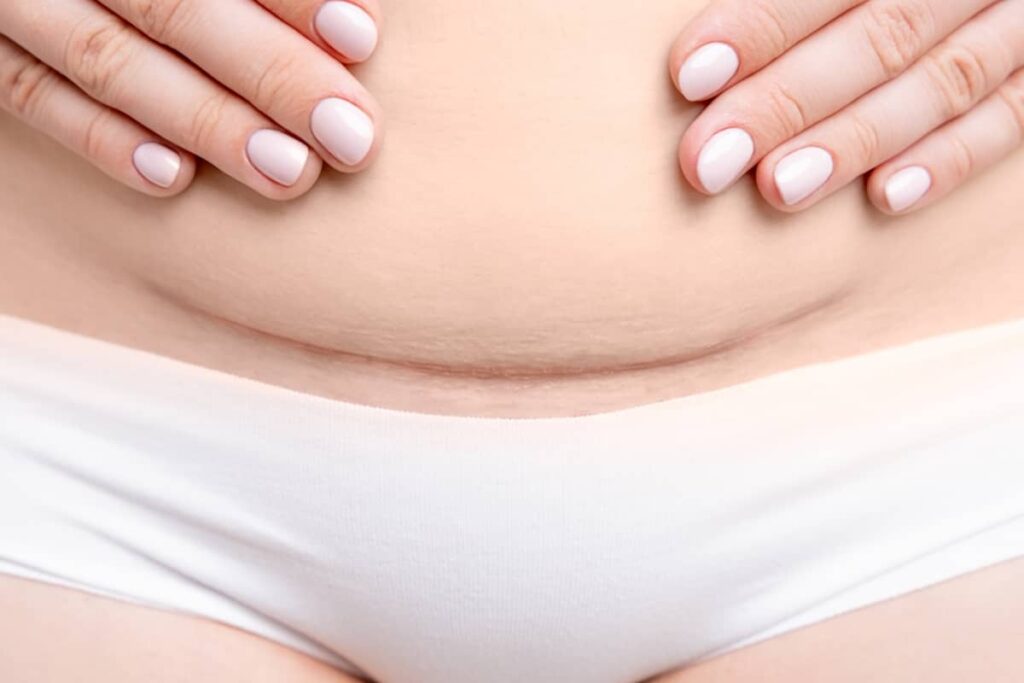
- Surgical scars, including cesarean section incisions
- Burns or skin injury
- Acne or inflammatory skin conditions
- Wounds on areas such as the chest, shoulders, or back
Understanding risk factors helps guide treatment planning and scar management strategies.
Can You Safely Treat Keloids During Pregnancy?
Many patients ask whether keloid therapy can be performed safely during pregnancy. Treatment decisions must consider maternal health, fetal safety, and the severity of symptoms.
In general, treatment plans focus on conservative management during pregnancy, with more aggressive procedures often delayed until after delivery. A personalized evaluation helps determine the safest approach.

Leading Experts in Keloid Plastic
Surgery in Miami Beach
Scar Management Strategies That May Be Considered During Pregnancy
Some non-invasive approaches may be considered to help manage symptoms or support healing while minimizing risk.
Silicone Gels and Topical Scar Therapy
Silicone gels and topical treatments are commonly used in scar management. These products help maintain hydration and may improve scar texture and thickness over time.
Topical scar therapy options may include:
- Silicone gel or silicone sheets
- Gentle creams to reduce irritation
- Scar care products recommended by a specialist
These approaches support wound healing without invasive procedures.
Monitoring Symptoms and Skin Changes
Regular monitoring allows patients to track changes in scar thickness, size, or symptoms. Early evaluation can help guide future treatment decisions and prevent progression.
Patients should report increasing discomfort, rapid growth, or changes in scar appearance to a qualified medical provider.
Keloid Treatments Often Postponed Until After Pregnancy
Some procedures used for keloid scar removal may not be recommended during pregnancy due to potential risks or limited safety research.
Surgical Excision and Scar Revision Surgery
Keloid surgical excision involves removing keloid scar tissue through a procedure designed to improve appearance and reduce symptoms. Because surgery involves anesthesia and healing considerations, this approach is often postponed unless medically necessary.
Steroid Injections and Intralesional Therapy
Steroid injections (corticosteroid injections) are commonly used to reduce inflammation and flatten keloid scars. While effective, treatment decisions during pregnancy require careful evaluation by medical professionals.
Radiation Therapy and Superficial Radiation Therapy (SRT)
Radiation therapy for keloids, including superficial radiation therapy (SRT), is typically avoided during pregnancy due to potential risks. These treatments are often used after surgical excision to help lower the risk of keloid recurrence but are generally delayed until after delivery.
A specialist can help determine the safest timeline for these procedures.
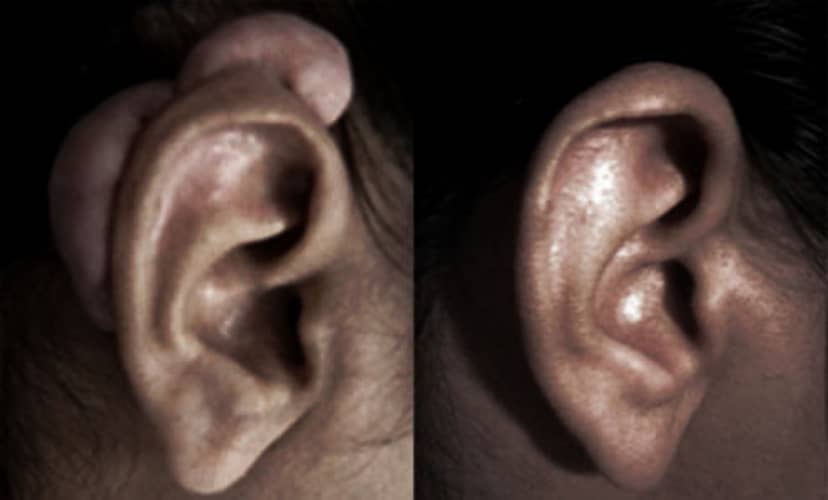
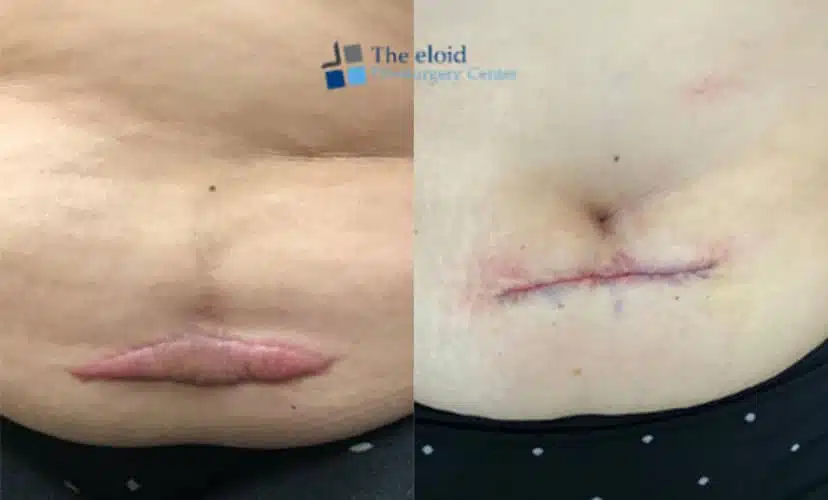
BEFORE & AFTER GALLERY
Natural & Unparalleled Results
When You Should See a Keloid Specialist During Pregnancy
Early evaluation can help address symptoms and support safe treatment planning. Patients should consider professional evaluation if they notice significant changes in their scars.
You should seek care if you experience:
- Rapid growth of a keloid
- Increasing pain, itching, or discomfort
- New keloid formation
- Scars affecting sleep or daily comfort
- Changes following surgery, injury, or cesarean section
Delaying evaluation may allow keloids to become more difficult to manage.
Why Early Evaluation Matters for Pregnancy-Related Keloids
Keloids can continue to grow over time, particularly when inflammation persists. Early specialist care helps monitor progression and plan treatment at the most appropriate time.
Timely evaluation may help:
- Control symptoms such as irritation or itching
- Support healthier wound healing
- Reduce the risk of excessive scar thickness
- Improve long-term treatment outcomes
A proactive approach helps protect both skin health and overall comfort.
When Is the Best Time to Treat Keloids After Pregnancy?
Many patients consider treatment after delivery or once breastfeeding decisions are discussed with their healthcare provider. Timing depends on individual factors, including symptoms, scar thickness, and overall health.
A specialist may recommend treatment once the body has completed initial postpartum healing. This allows for more predictable outcomes and a broader range of treatment options.
Why Specialized Care Is Important for Keloids in Pregnancy
Managing keloids during pregnancy often involves careful timing and a conservative approach to scar management. Specialized care helps ensure treatment decisions support patient safety while addressing cosmetic and medical concerns.
The Keloid Plastic Surgery Center focuses on treating keloid scars using individualized treatment plans tailored to each patient’s needs.
Dr. Roberto J. Mendez
Dr. Roberto J. Mendez is a board-certified plastic surgeon who focuses on keloid scar treatment and reconstructive procedures. His approach emphasizes personalized care and careful treatment planning.
Dr. Gabriel Salloum
Dr. Gabriel Salloum provides surgical and non-surgical treatment options for patients with complex scar conditions. He works with patients to develop individualized treatment strategies based on their goals and medical considerations.
Expert Keloid Treatment in Miami Beach and Aventura, Florida
Patients from Miami Beach, Aventura, and surrounding areas seek care at The Keloid Plastic Surgery Center for evaluation and treatment of keloid scars. The practice offers specialized treatment approaches and individualized care designed to support safe healing and long-term outcomes.
Schedule a Consultation With a Keloid Specialist
If you notice changes in scar thickness, discomfort, or new keloid formation during pregnancy, professional evaluation can help determine the safest treatment approach. The Keloid Plastic Surgery Center provides diagnosis and treatment options for keloid scars and offers personalized care plans designed to support effective scar management.
Scheduling a consultation allows patients to discuss symptoms, risk factors, and treatment timing with experienced specialists in Miami Beach and Aventura, Florida.
Frequently Asked Questions About Keloids in Pregnancy
Hormonal changes may influence wound healing and collagen production, which can cause existing keloids to grow or become more noticeable in some patients.
Some changes in scar appearance may stabilize after pregnancy, but keloid scars typically do not resolve without treatment.
Pregnancy itself does not directly cause keloids, but changes in healing response may increase the risk of scar formation following injury or surgery.
Treatment decisions during breastfeeding depend on the procedure and medications involved. A specialist can help determine the safest options.
Yes. Surgical incisions, including cesarean section scars, may increase the risk of keloid formation in patients prone to abnormal scar healing.