
 1 (833) 453-5643
Acne keloidalis nuchae is a chronic inflammatory condition that affects the hair follicles at the back of the scalp and neck, often beginning as small bumps that can gradually develop into raised scars and permanent hair loss if left untreated. Many patients initially mistake early symptoms for common acne or minor irritation, but this condition requires specialized care to prevent long-term skin changes.
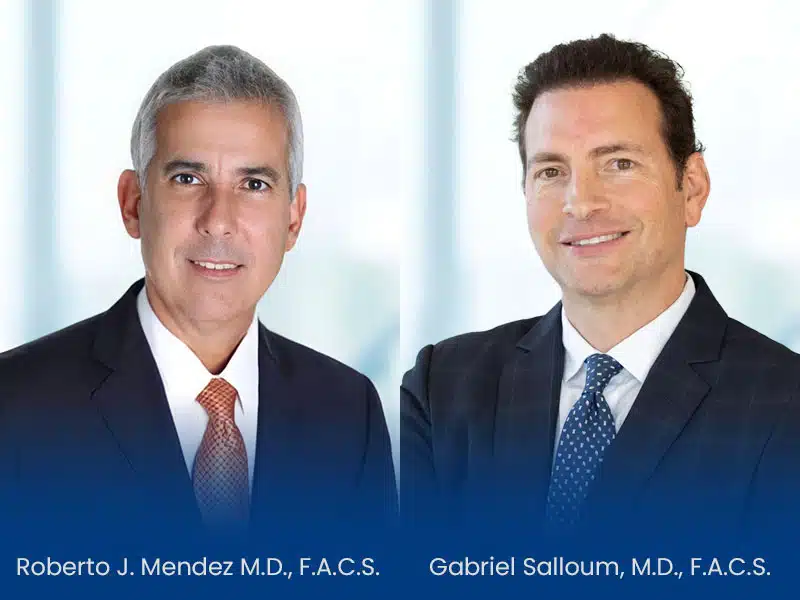
Early diagnosis and treatment can help control inflammation, reduce visible lesions, and lower the risk of keloid scar formation. At The Keloid Plastic Surgery Center in Miami Beach and Aventura, Florida, Dr. Roberto J. Mendez and Dr. Gabriel Salloum provide specialized evaluation and treatment for acne keloidalis nuchae and the keloid scarring it may cause, helping address the condition before permanent skin changes develop.
What to Know Before Treatment Begins
- Early treatment helps control inflammation and reduce scar formation.
- Small bumps at the back of the neck can signal acne keloidalis nuchae.
- Specialist care may help prevent permanent hair loss.
- Targeted therapies can calm irritated hair follicles.
- Early diagnosis supports better long-term skin health.
What Is Acne Keloidalis Nuchae?
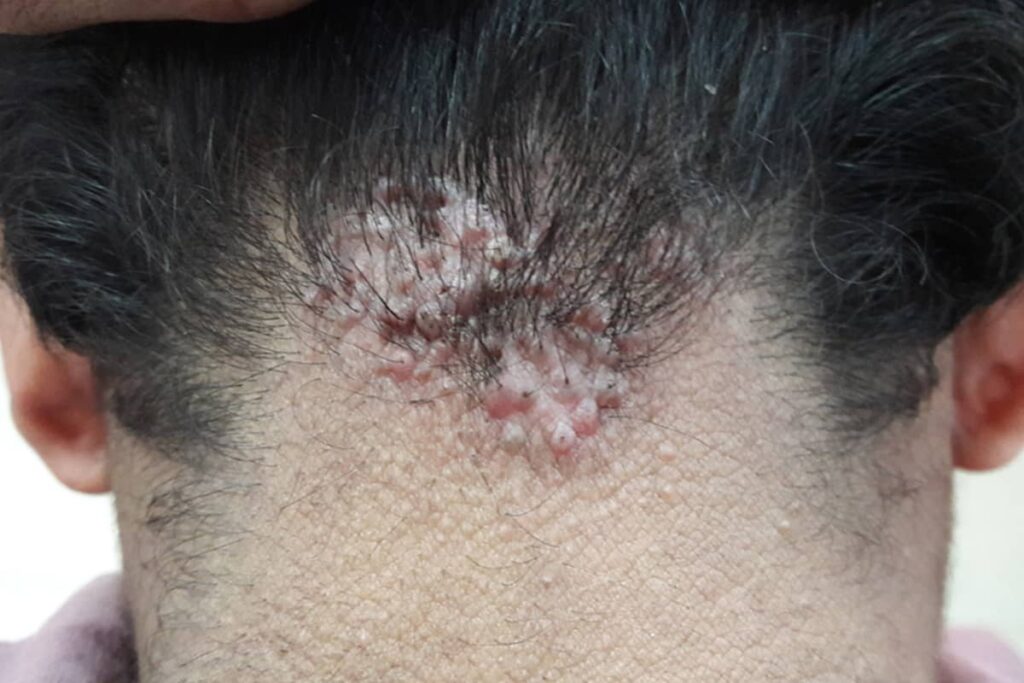
Acne keloidalis nuchae, sometimes referred to as folliculitis keloidalis nuchae, is a condition involving chronic inflammation of hair follicles on the occipital scalp and back of the neck (nuchae). It often begins as small firm bumps known as papules and pustules that can gradually become fibrotic papules, nodules, and keloid-like scars.
Despite its name, acne keloidalis is not the same as acne vulgaris. Instead, it is a follicular disorder involving inflammation, abnormal healing, and scar formation in the skin.
Symptoms and Clinical Manifestations
Early recognition of symptoms plays an important role in successful treatment. Patients commonly notice changes in the skin along the hairline at the back of the neck.
Common symptoms include:
- Small bumps or papules on the scalp or neck
- Persistent inflammation around hair follicles
- Itching or tenderness
- Thickened skin or fibrotic papules
- Early hair loss or patchy alopecia
- Formation of raised scars or nodules
These clinical manifestations may progress slowly, which is why many patients delay diagnosis until more advanced lesions appear.
What Causes Acne Keloidalis Nuchae to Develop?
The exact cause of acne keloidalis nuchae is not fully understood, but dermatology research suggests several contributing factors involving skin injury, inflammation, and abnormal healing responses.
Chronic Folliculitis and Hair Follicle Inflammation
Persistent folliculitis — inflammation of the hair follicles — is one of the main drivers of acne keloidalis nuchae. Repeated irritation triggers the body’s healing response, which can lead to excessive scar tissue and keloid scars.
Over time, inflammation damages follicles and may result in permanent hair loss.
Friction and Skin Irritation
Repeated mechanical irritation can worsen the condition. Common triggers include:
- Tight collars or clothing rubbing the neck
- Frequent close shaving or short haircuts
- Helmets or sports gear
- Chronic skin injury or irritation
These factors may increase inflammation and accelerate disease progression.
Genetic and Skin Healing Factors
Some patients have a tendency toward abnormal scar formation. The skin may respond to minor injury with excessive fibrotic tissue, increasing the risk of keloidalis nuchae and visible scarring.

Leading Experts in Keloid Plastic
Surgery in Miami Beach
Acne Keloidalis Nuchae Treatment for Early Stage Disease
Early intervention focuses on reducing inflammation, controlling folliculitis, and preventing permanent scars. Treatment plans vary based on symptom severity, skin characteristics, and whether keloid scarring has begun to develop.
Anti-Inflammatory Treatments to Control Folliculitis
Early-stage acne keloidalis nuchae treatment often begins with therapies designed to calm inflammation and protect hair follicles.
Treatment options may include:
- Topical corticosteroids to reduce inflammation
- Topical retinoids to support skin turnover
- Antibiotic therapies when infection is present
- Medications to manage persistent folliculitis
These treatments help reduce papules and pustules while slowing disease progression.
Laser Hair Removal and Specialist Therapies
Laser hair removal may be recommended in some cases to help reduce irritation by limiting hair growth in affected areas. This approach can help decrease recurrent inflammation and support overall skin management.
Other treatments may include:
- Laser-based treatment options when appropriate
- Targeted therapies to help manage inflammation
- Hair removal strategies to reduce follicle irritation
A personalized treatment plan helps determine which approach is most appropriate.
Preventing Keloid Scar Formation
Preventive treatment is a major goal in early disease management. Once keloid scars form, treatment becomes more complex.
- Early specialist care may help:
- Preserve healthy hair follicles
- Reduce inflammation before scarring occurs
- Protect surrounding skin
- Limit progression to large nodules
Why Early Diagnosis Provides Better Outcomes
Prompt diagnosis allows treatment before extensive skin damage develops. When acne keloidalis nuchae is identified early, patients often experience better symptom control and improved cosmetic outcomes.
Early treatment may help:
- Reduce chronic inflammation
- Prevent fibrotic papules and nodules
- Lower risk of permanent hair loss
- Minimize visible scars
- Improve long-term skin health
Delaying care may allow lesions to expand, increasing the need for more aggressive intervention.
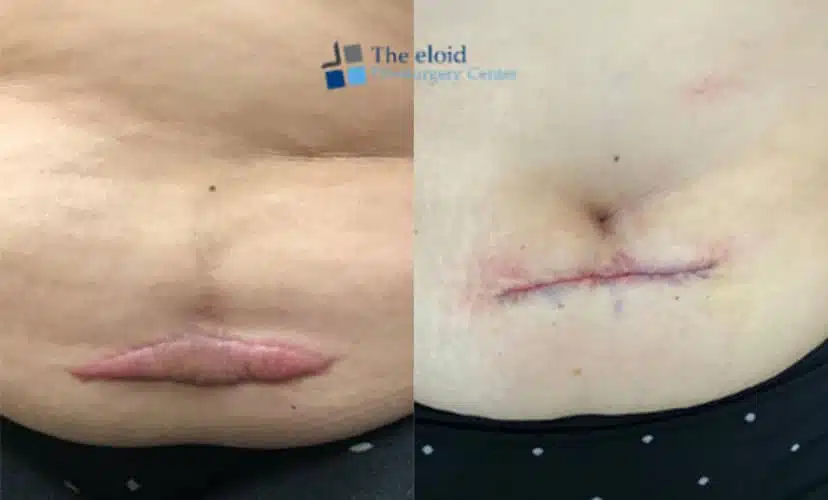
BEFORE & AFTER GALLERY
Natural & Unparalleled Results
What Happens If Acne Keloidalis Nuchae Is Left Untreated?
Without treatment, acne keloidalis nuchae may gradually worsen. Small bumps can develop into larger nodules and thick keloid scars that affect the appearance and texture of the scalp and neck.
Potential complications include:
- Extensive keloid scar formation
- Permanent alopecia
- Thickened or discolored skin
- Chronic inflammation and discomfort
- More complex keloid surgical treatment needs
Early specialist care helps reduce these risks.
When Should You See a Specialist for Acne Keloidalis Nuchae Diagnosis?
Many patients initially consult a dermatologist for evaluation, but persistent or progressive disease may require specialized care from experts experienced in treating keloid scars and complex skin conditions.
You should consider professional evaluation if you notice:
- Persistent bumps or lesions at the back of the neck
- Increasing inflammation or irritation
- Early signs of hair loss
- Recurrent folliculitis that does not improve
- Raised scars developing in the affected area
Accurate diagnosis helps distinguish acne keloidalis nuchae from other diseases such as hidradenitis suppurativa or acne vulgaris.
Why Choose The Keloid Plastic Surgery Center in Miami Beach and Aventura, Florida?
Specialized expertise plays an important role in managing conditions involving keloid scars and abnormal healing. The Keloid Plastic Surgery Center focuses on treating keloid scars and related conditions using specialized surgical and non-surgical treatment approaches.
Dr. Roberto J. Mendez
Dr. Roberto J. Mendez is a board-certified plastic surgeon with extensive experience in keloid scar treatment and reconstructive procedures. His approach focuses on individualized care designed to improve outcomes while supporting healthy skin healing.
Dr. Gabriel Salloum
Dr. Gabriel Salloum provides advanced surgical and non-surgical treatment options for patients with complex scar conditions. He works closely with patients to develop personalized treatment plans that address both medical and cosmetic concerns.
Patients from Miami Beach, Aventura, and surrounding areas choose the practice for its specialized focus on keloid conditions, advanced treatment methods, and commitment to patient-centered care.
Schedule a Consultation for Acne Keloidalis Nuchae Treatment
Early treatment offers the best opportunity to control acne keloidalis nuchae and prevent permanent skin changes. If you notice symptoms such as persistent bumps, inflammation, or hair loss along the back of the neck or scalp, professional evaluation can help determine the most effective treatment approach.
The Keloid Plastic Surgery Center provides diagnosis and treatment options for keloid scars. They also offer specialized care for patients with acne keloidalis nuchae, particularly when scarring develops. Scheduling a consultation allows you to receive a personalized treatment plan designed to support long-term skin health.
Frequently Asked Questions About Acne Keloidalis Nuchae Treatment
Early treatment may reduce inflammation and help control disease progression. While some skin changes can improve with treatment, preventing further scarring and damage is a primary goal.
The condition is chronic, but symptoms can often be managed with appropriate treatment. Early care may reduce the likelihood of permanent scars or hair loss.
Progression varies between patients. Some cases develop slowly, while others worsen more rapidly without treatment, especially when ongoing irritation or inflammation is present.