
 1 (833) 453-5643
Many women heal well after a cesarean delivery, but some notice that their scar becomes raised, itchy, uncomfortable, or grows beyond the original wound. When this happens, it may be a keloid — an aggressive type of scar that continues to build tissue even after the incision has healed. If you are searching for keloid C-section scar treatment in Miami Beach or Aventura, you should know there are safe and effective ways to address both the appearance and symptoms of these scars.
Different treatment options help with softening the scarred tissue, reducing discomfort, and lowering the chance of future regrowth. Understanding how keloids form and what treatments are available can help you make a comfortable, confident decision about care.
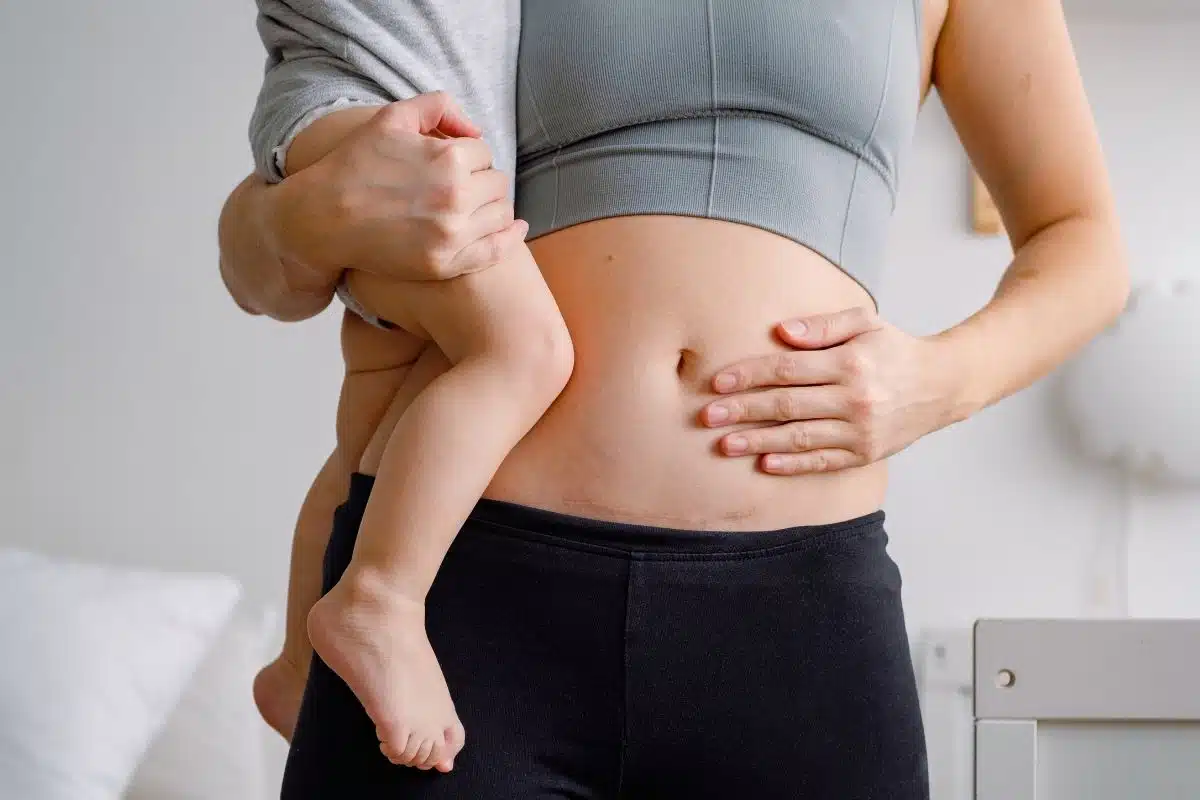
Important Things to Know About C-Section Keloid Scars
- Keloids are thicker scars that grow past the original incision site.
- C-section keloids can be treated with surgical and non-surgical options.
- Treatment aims to reduce symptoms and lower recurrence risk.
- A personalized plan is important because every case is different.
- Dr. Roberto J. Mendez and Dr. Gabriel Salloum specialize in advanced keloid treatments in South Florida.
Why C-Section Scars Sometimes Become Keloids
A cesarean delivery involves a surgical procedure on the abdomen, creating a long incision near the bikini line. Most scars flatten as the healing process continues over the first several months. However, some scars react differently.
A keloid forms when the body produces too much collagen during healing. Instead of stopping when the wound is closed, the scar keeps growing — becoming firm, raised, and sometimes itchy or painful. Unlike hypertrophic scars, which stay within the borders of the incision, keloids extend past it.
Several factors may increase the risk of developing a keloid after a C-section:
- Family history of keloids
- Darker skin types (more common in African, Hispanic, and Asian individuals)
- Tension on the incision site
- Inflammation during healing
- Previous keloids after injury or surgery
Even careful surgical technique cannot always prevent this response. But if you notice your scar thickening, changing shape, or causing discomfort, early treatment can help.
When to Seek Help for a C-Section Keloid
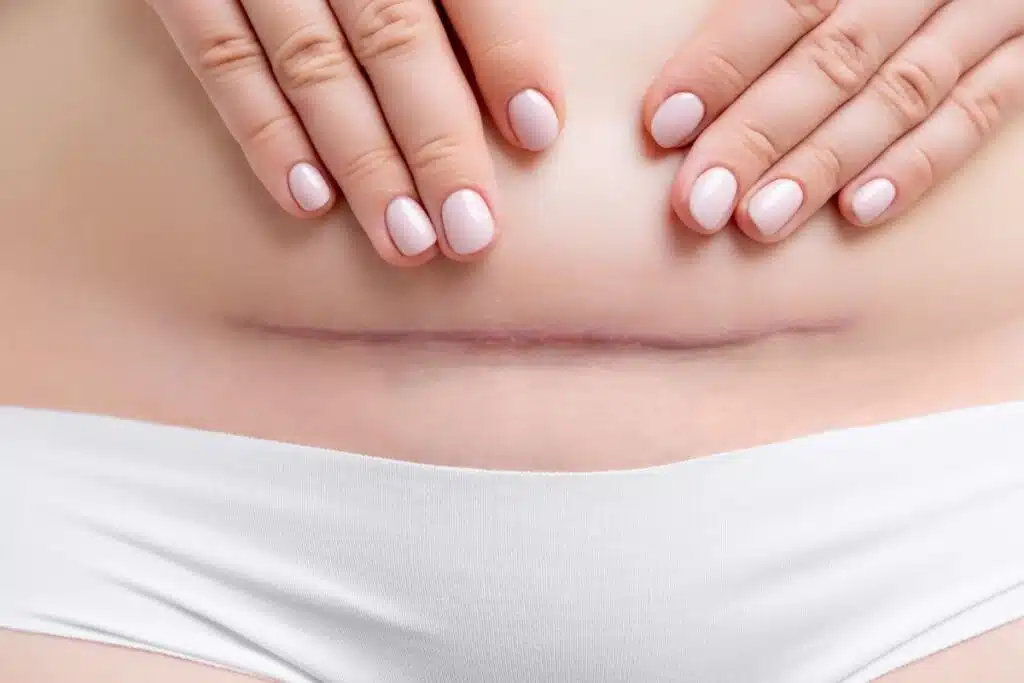
Not all C-section scars require treatment. However, signs that the scar is becoming a keloid include:
- Ongoing growth months after childbirth
- Pain, burning, or itching along the scar
- Hardening or thick scar tissue buildup
- Noticeable discoloration that worsens over time
- A firm or lumpy shape that goes beyond the original incision
These changes often begin after the first few months of healing. If the scar continues to grow instead of softening, it is time to consult a specialist who understands keloids — not just general scar revision.

Leading Experts in Keloid Plastic
Surgery in Miami Beach
Treatment Options for C-Section Keloid Scars
Every patient’s skin, medical history, and keloid behavior are unique. At The Keloid Plastic Surgery Center in Miami Beach, Dr. Roberto J. Mendez and Dr. Gabriel Salloum create a custom treatment plan designed to improve comfort, appearance, and long-term results with reduced recurrence risk.
Below are the most common methods used for how to treat a keloid C-section scar.
Surgical Removal Followed by Superficial Radiation Therapy
Some keloids grow aggressively and do not respond well to creams or injections alone. In these cases, removing the scar surgically can help — but only if followed by a therapy to lower recurrence risk.
Dr. Mendez and Dr. Salloum offer a combined approach designed for persistent keloids:
- Surgical removal. The keloid is carefully cut away while protecting healthy skin around the area.
- Superficial Radiation Therapy (SRT). Treatment is given soon after surgery to target the keloid-forming cells left behind.
This method treats both the visible scar and the underlying tissue that causes regrowth. It has shown lower recurrence rates than surgery alone and can improve both the look and the feel of the incision line.
Cryotherapy (Freezing the Keloid)
Cryotherapy uses extremely cold temperatures to freeze scar tissue and help flatten small keloids.
Cryotherapy is typically reserved for smaller keloids and may be recommended if the C-section scar is:
- Early in the growth phase
- Mild in size
- Causing itching or irritation
Cryotherapy can lighten the keloid over time and may be used together with other therapies to improve results.
Steroid Injections to Soften the Scar
Injections are commonly used to calm inflammation and help flatten the scar. These treatments:
- Reduce itching, discomfort, and scar thickness
- Slowly soften the firm buildup of collagen
- Work gradually over several sessions
Steroid injections are often part of a larger treatment plan rather than a standalone solution for advanced keloids.
Silicone Dressings and At-Home Supportive Care
Sometimes, Dr. Mendez and Dr. Salloum may recommend silicone sheets or gel to help with the healing of the incision site, especially soon after childbirth. Silicone creates a protective barrier over the scar that helps maintain hydration and reduces irritation that may trigger keloid growth.
Other simple measures may support healing and help protect the skin:
- Gentle massage of the area once cleared by a doctor
- Avoiding sun exposure, which darkens scars
- Wearing soft clothing to prevent friction along the abdomen
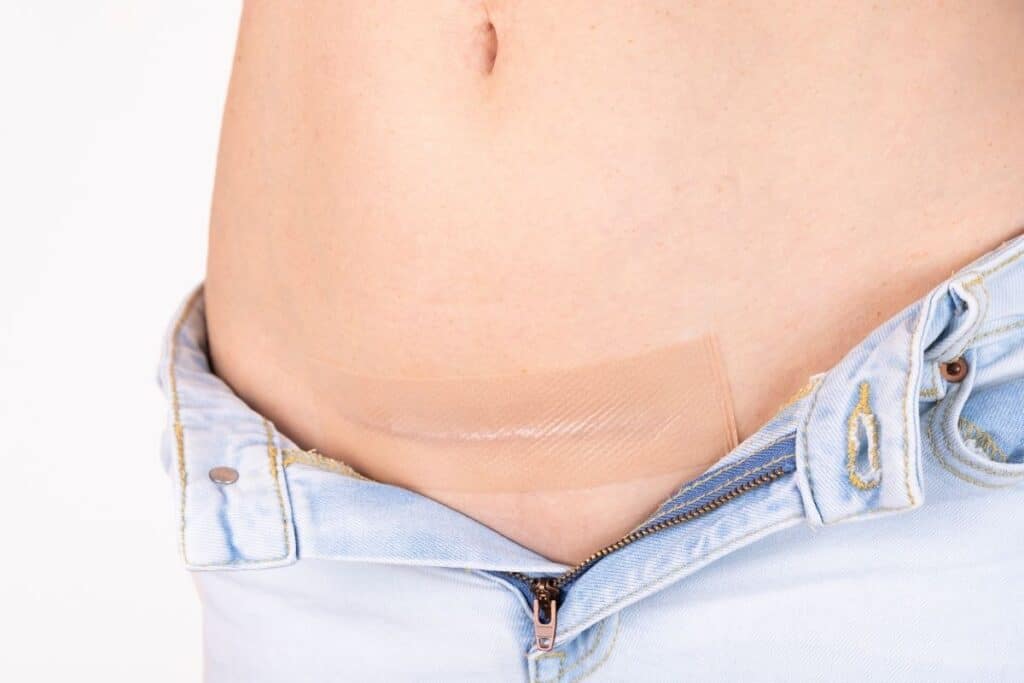
These methods do not remove a keloid but can be useful for keeping symptoms controlled and supporting the healing process.
BEFORE & AFTER GALLERY
Natural & Unparalleled Results
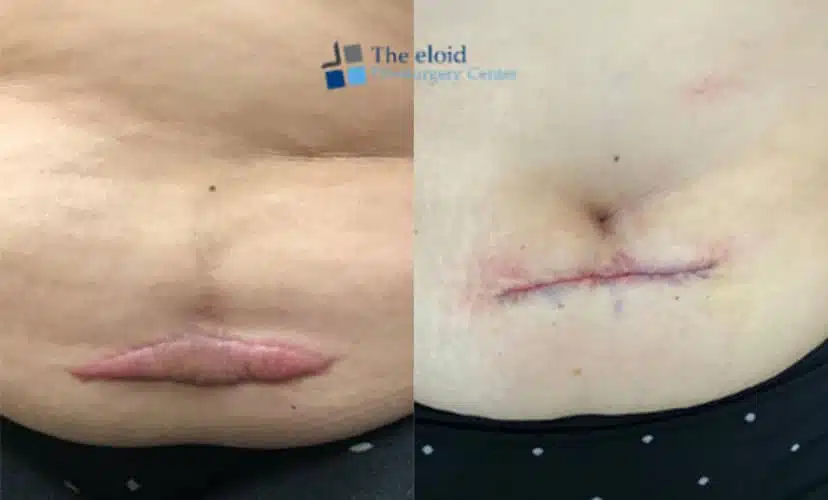
Why Specialized Care Matters
Not all dermatologists or plastic surgeons specialize in keloids — and C-section keloids have unique challenges because of their size, tension from movement, and the deep tissue in the abdomen.
At The Keloid Plastic Surgery Center, Dr. Mendez and Dr. Salloum focus on keloid management, including C-section scars that did not improve with other treatments. Their care is personalized to:
- Address symptoms like itching and discomfort
- Improve appearance of the scar
- Reduce the risk of recurrence
- Help restore confidence in the body after childbirth
Keloids can have a significant emotional impact, particularly in an area associated with the birth experience. Getting support from a provider who understands both the physical and emotional aspects of scarring can make a meaningful difference.
What to Expect in a Treatment Consultation
During your visit, the doctors will:
- Examine the incision site and surrounding skin
- Determine whether the scar is keloid or hypertrophic
- Review your medical history and any previous procedures
- Discuss which therapies fit your situation
- Create a customized plan with realistic expectations
Your treatment timeline may vary depending on how long the keloid has been present and whether you have experienced keloids before.
Most patients start to notice improvement over several months as the scar gradually softens, flattens, and becomes less noticeable.
Ready to Explore Your Treatment Options?
If your C-section scar is painful, itchy, still growing, or affecting your confidence, you do not have to wait. The sooner a keloid is evaluated, the more options you may have.
Dr. Roberto J. Mendez and Dr. Gabriel Salloum offer advanced, evidence-based treatments for keloids in Miami Beach and proudly serves patients from Aventura and throughout South Florida.
To request an appointment, reach out to the specialists at The Keloid Plastic Surgery Center today.
FAQs About C-Section Keloid Scars
If the scar becomes raised, thick, itchy, or grows beyond the original section wound, it may be a keloid. A consultation helps confirm the diagnosis.
Keloids do not typically go away without treatment. They may continue to grow slowly over time if not addressed.
If the cells that create excess scar tissue remain active after surgery, recurrence can happen. This is why follow-up therapy like SRT is often recommended.
Many treatments are considered safe, but your doctor will review options with you to protect both you and your baby, whether you are breastfeeding or treating keloids during pregnancy.
Recovery varies depending on the procedure. Some treatments have little to no downtime, while surgical options may require a few weeks of healing.
A tummy tuck is a cosmetic surgery done by other providers, not a keloid treatment. If you plan to have one elsewhere, Dr. Mendez or Dr. Salloum can advise on your keloid care and ways to help reduce the risk of regrowth after that procedure.