
 1 (833) 453-5643
If you have a keloid or raised scar, you may be wondering whether cryotherapy can help improve how it looks and feels. Cryotherapy is a non-surgical treatment that uses controlled freezing to target excess scar tissue. Many people choose it because it can reduce the size of keloids and improve skin appearance without the need for surgery.
Keloids form when the body produces too much collagen during healing, creating thick, raised scars that can appear after surgery, injuries, acne, or piercings. These scars can sometimes itch, feel uncomfortable, or continue growing over time. Cryotherapy works by freezing the abnormal scar tissue, which helps shrink the keloid and supports healthier skin regeneration.
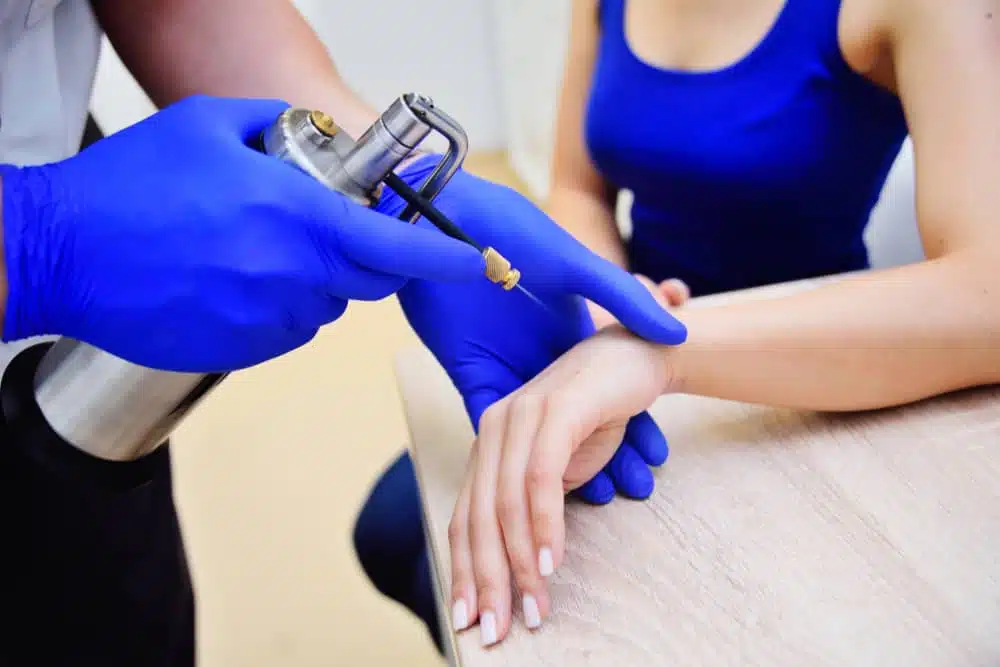
This treatment is also used for hypertrophic scars and other types of raised scar tissue. In this article, we’ll explain how cryotherapy works and the key benefits it offers, including reducing scar size, improving skin texture, and helping prevent recurrence.
How Cryotherapy Works on Keloids and Scar Tissue
- Cryotherapy uses controlled freezing (often liquid nitrogen) to destroy excess scar tissue and shrink keloids.
- The freezing process reduces abnormal collagen production, helping flatten raised scars over time.
- Cryotherapy can reduce keloid recurrence rates by up to 50% in some cases.
- It also relieves symptoms like itching, discomfort, and inflammation associated with raised scars.
- Careful temperature control is essential, especially for darker skin types, to protect pigmentation and surrounding tissue.
Benefits of Cryotherapy on Keloids
1. Non-Invasive Treatment
Unlike surgical interventions for treating keloids, cryotherapy is a non-invasive treatment option without any side effects, such as pain or post-procedure recovery time off from work or activities of daily living, such as bathing or dressing changes. There is also no risk of infection, which may occur with surgically based treatment of keloids.
This makes it particularly appealing to those who are looking for an alternative way to manage their keloid without having to undergo extensive treatments or surgical excision.
In addition to cryotherapy, there are other treatments available for keloid scars. Pressure therapy is a non-invasive treatment that involves the application of pressure to the affected area in order to reduce inflammation and pain associated with keloid scars. Intralesional steroid injections can also be used to reduce inflammation and pain associated with keloids.
Laser treatment is another option for treating keloids, as it helps to reduce the size of the scar tissue while also helping to prevent further scarring. Corticosteroid injections are also an effective treatment for reducing inflammation and pain associated with keloid scars, as well as helping to prevent further scarring. All of these treatments can be used in combination with cryotherapy for optimal results in the treatment of keloid scars.
2. Reduced Pain and Swelling
The intense cold from cryotherapy is known to reduce inflammation, relieve pain, and improve blood flow to the area. It is often used for conditions of localized swelling, such as keloid scars, which can sometimes be quite painful. With cryotherapy, cold temperatures constrict blood vessels in the area and cause a decrease in inflammation and swelling.
3. Minimizes Itching
Keloids can cause extreme itching, which can be both painful and incredibly distracting when left untreated. Cryotherapy leads to vasoconstriction, which reduces blood flow to the keloid scar and significantly minimizes the itchiness caused by keloids.
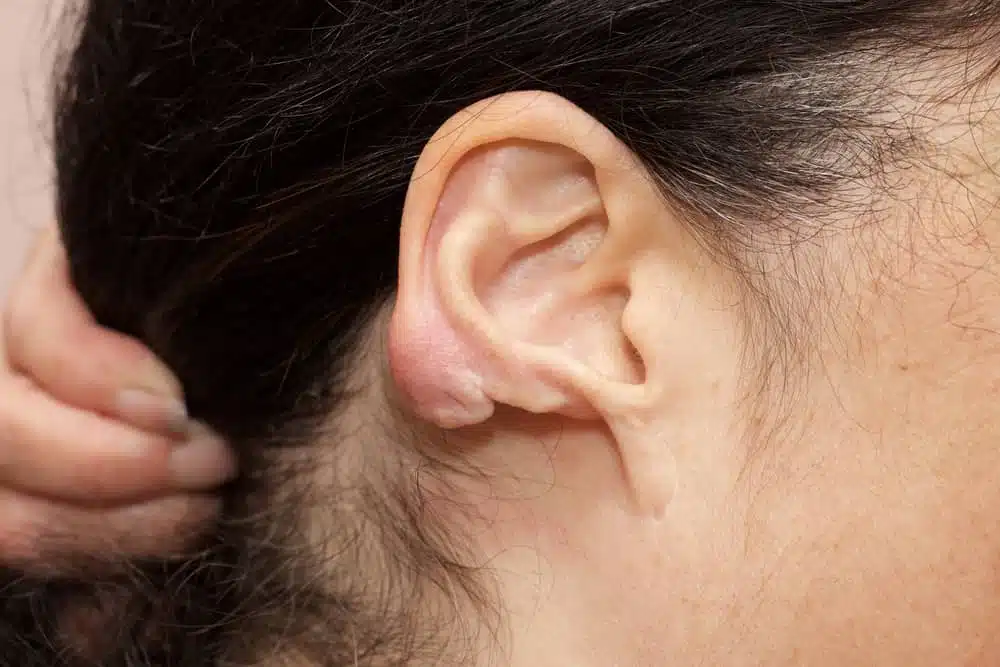
Cryosurgery for keloids is also a viable option for treating those who have developed from body piercings, such as ear piercings. Cryotherapy can help minimize itching associated with keloids due to its ability to reduce inflammation and improve blood flow.
For those looking for an alternative way to manage their keloid scars without undergoing surgery or other invasive treatments, cryosurgery may be a viable option.
4. Improved Skin Texture
Cryotherapy for keloids has been shown to improve skin texture as well as improve overall skin appearance by reducing the size of a keloid scar. The intense cool temperature causes a decrease in collagen production and destroys keloid blood supply while also activating natural products like antioxidants that can help to reduce inflammation and improve skin elasticity. This ultimately leads to smoother-looking skin with improved texture and tone.
5. Minimized Scarring
Keloids are often difficult to treat because they tend to grow back after keloid scar removal or treatment approaches like corticosteroids or laser therapy have been used. Cryotherapy works on two levels by both shrinking existing lesions and helping new bruises heal faster without leaving too much of a mark behind due to its anti-inflammatory effects.
Because cryotherapy involves freezing parts of the skin that are prone to scarring or infection, it minimizes any further damage caused by these types of treatments. This could potentially lead to further scarring or discoloration on the skin’s surface.
Intralesional cryotherapy is an effective treatment for larger keloids and hypertrophic scars, as it can help to reduce the size of the scar tissue while also helping to prevent further scarring. This type of cryotherapy involves injecting a cold liquid directly into the affected area, which helps to reduce inflammation and pain associated with keloids.
It is important to note that this type of cryotherapy should only be used on lighter skin, as it can cause damage to darker skin types. Additionally, intralesional cryotherapy has been shown to reduce scar volume by up to 50%, making it an effective treatment option for those looking for relief from keloid symptoms.

Leading Experts in Keloid Plastic
Surgery in Miami Beach
6. Stops Keloid Recurrence
Keloid recurrence rates following successful cryotherapy treatment hover around 5%, which is significantly less than what is seen with other forms of Keloid management strategies, where up to 50% could see their keloid recurring.
Combination therapy is a popular approach to treating keloids, as it combines cryotherapy with other treatments such as corticosteroid injections or laser therapy. This type of treatment can be used to reduce the size of existing keloids and also help prevent a recurrence. Additionally, cryotherapy can be used in combination with surgical scar revision to reduce the volume of scars and improve their appearance.
Cryotherapy is an effective treatment for reducing the size and volume of surgical scars, while also helping to minimize itching and inflammation associated with them. By combining cryotherapy with other treatments, patients can experience improved results in terms of both scar reduction and overall skin health.
7. Accelerated Healing Time
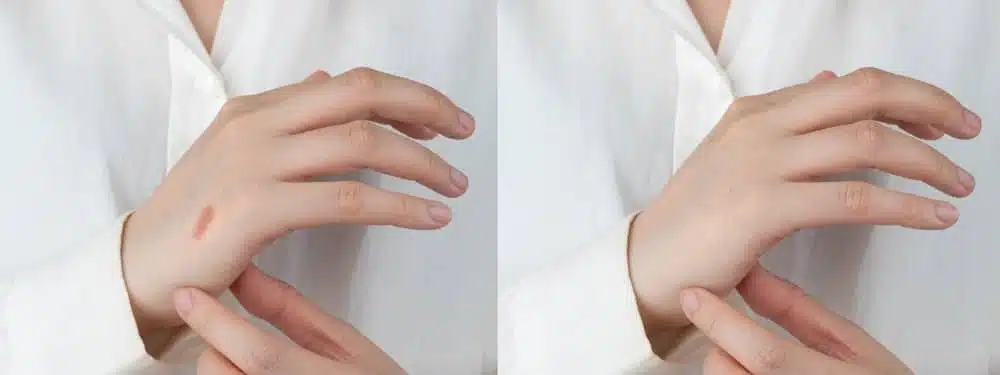
Cryotherapy prevents scar formation due to its accelerated healing time, which helps prevent excessive collagen accumulation that would otherwise occur if left untreated or treated with other methods over a longer period (for instance, with laser therapies). The intense cooling temperatures promote better circulation around the keloid, promoting healing agents like proteins, growth factors, and oxygen into the area, stimulating tissue regeneration without scar formation.
8. Rapid Results
Compared to other traditional treatment options such as surgery or radiation treatments, results are much more rapid and accelerated, allowing patients complete relief at an expedited pace – within weeks instead of months! Allowing patients fast access back into everyday life that they might have missed out on before because of negative physical and/or psychosocial impacts posed by the presence/severity of their respective lesions/areas of interest.
Cryosurgery on keloids is often used as an alternative to excision, which involves surgically removing the scar tissue. Cryotherapy is effective in reducing the size of keloids and preventing further growth. The outcomes of cryosurgery vary depending on the size and location of the original injury, but studies have shown that it can reduce keloid growth by up to 50%.
9. Low cost
Cryotherapy is a low-cost keloid scar treatment with minimal pain when compared to other therapeutic techniques, such as topical steroids or surgical intervention techniques like excision or steroid injections, which are often more stressful for body cells as well as more costly than cryotherapy. This makes it an attractive option for many individuals who have limited options when it comes to treating keloids due to financial constraints, but need quick recovery times from their keloids.
BEFORE & AFTER GALLERY
Natural & Unparalleled Results
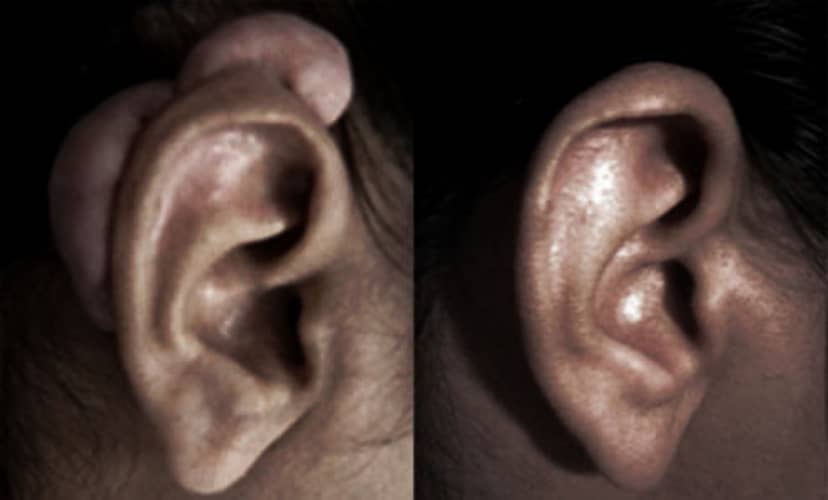
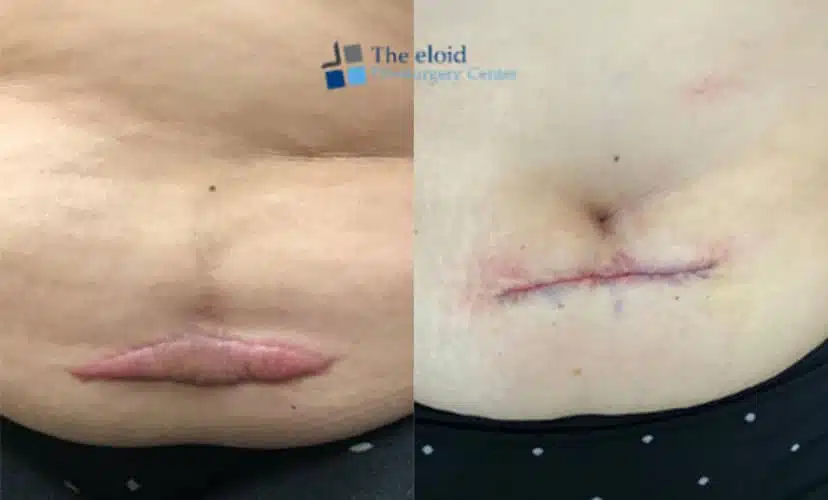
Cryotherapy for Scar Tissue and Other Types of Raised Scars
Cryotherapy is not only effective for keloids, but also for other types of raised scar tissue, including hypertrophic scars and scars caused by surgery, acne, or injury. These scars form when the body produces excess collagen during healing, resulting in thick, firm, or elevated areas on the skin. By applying controlled freezing temperatures, cryotherapy helps break down abnormal scar tissue and reduce its size over time.
One of the key benefits of cryotherapy for scar tissue is its ability to target the underlying cause of raised scars. The freezing process slows excessive collagen production and reduces the blood supply feeding the scar. This helps flatten the scar, improve skin texture, and reduce symptoms such as itching, tightness, or discomfort.
Because cryotherapy works directly on the scar tissue, it can be an effective option for improving the appearance of both newer and older scars.
Benefits of Cryotherapy for Hypertrophic Scars
Cryotherapy can also help improve hypertrophic scars by targeting the excess scar tissue responsible for their raised appearance. The controlled freezing process helps flatten the scar, reduce thickness, and improve overall skin texture over time.
Key benefits include:
- Helps flatten raised scars by breaking down dense scar tissue
- Improves skin texture and appearance for smoother-looking skin
- Reduces itching, discomfort, and tightness commonly associated with raised scars
- Slows excess collagen production to help prevent further scar thickening
- Provides a non-surgical option for improving hypertrophic scar appearance
These benefits make cryotherapy a useful option for managing hypertrophic scars as part of a comprehensive scar treatment plan.
Schedule a Cryotherapy for Keloids Consultation
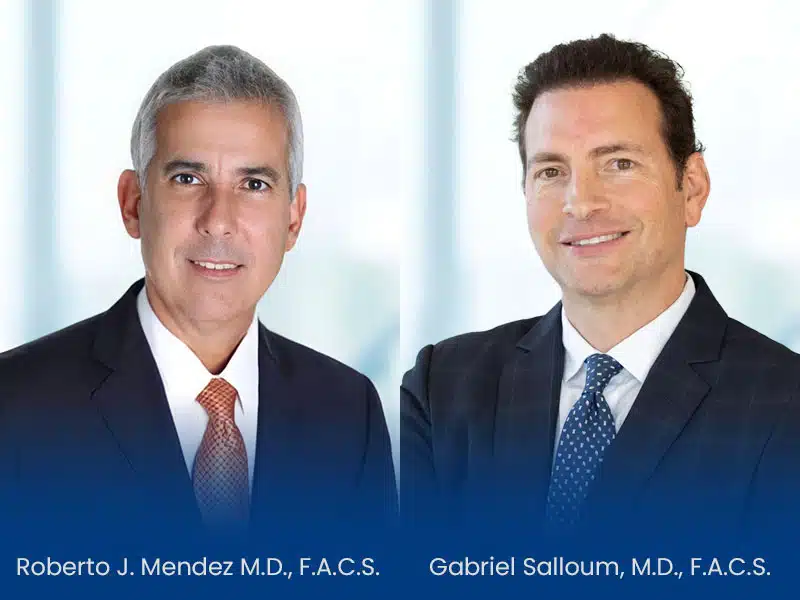
If you’re looking for a safe and effective way to reduce the size of your keloid scars, consider scheduling a consultation for cryotherapy with Dr. Mendez and Dr. Salloum. This treatment has been proven to be an effective treatment option for skin injuries. With minimal pain and low cost compared to other treatments, cryotherapy for keloids is an attractive option for those who need quick recovery times from their keloid scarring. Check our photo gallery and contact us today to learn more about how our sessions of cryotherapy can help decrease the volume of your keloids at The Keloid Plastic Surgery Center.
Frequently Asked Questions About Cryotherapy for Keloids
Cryotherapy can significantly reduce the size, thickness, and symptoms of keloids. Multiple treatments may be needed for optimal improvement, and results vary depending on the scar.
Most keloids require multiple sessions to achieve the best results. The exact number depends on the size, thickness, and age of the scar. Treatments are typically spaced several weeks apart to allow the skin to heal and respond.
Cryotherapy can be used on most skin types, but it must be performed carefully, especially in darker skin tones. Proper technique and temperature control help reduce the risk of pigmentation changes and protect surrounding skin.
Yes. Cryotherapy is often combined with treatments such as corticosteroid injections or laser therapy to improve outcomes. Combination treatment can help enhance scar reduction and lower the chance of recurrence.