
 1 (833) 453-5643
Keloid removal aftercare plays a critical role in how well your skin heals and how successful your results are long-term. After surgical removal, your body begins a recovery process that requires proper care to protect the incision, reduce complications, and support healthy skin repair. Many patients have questions about what to expect, how to care for the treated area, and what steps can help prevent recurrence.
Following the right recovery guidelines can help your skin heal safely and minimize the risk of future scar formation. Whether you are preparing for surgery or currently recovering, understanding keloid removal surgery recovery and aftercare will help you make informed decisions and protect your results with confidence.
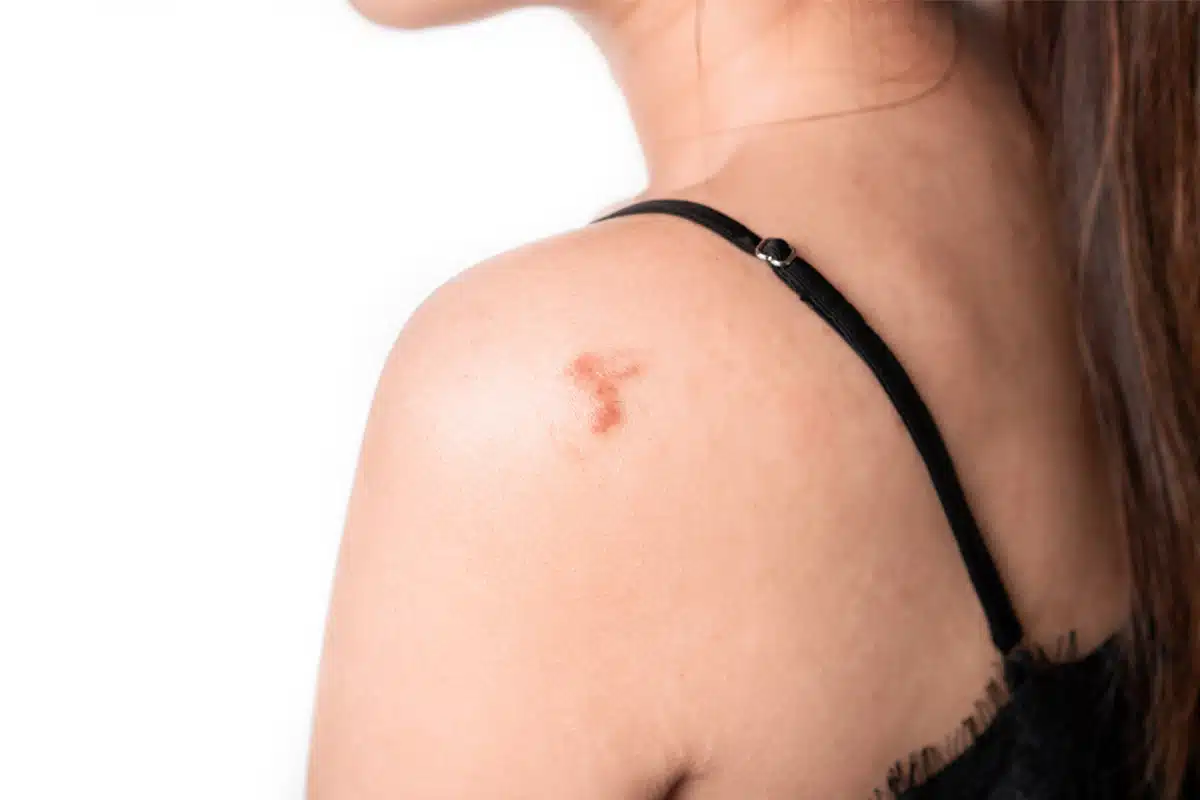
What to Expect After Keloid Scar Revision Surgery
- Mild pain, bruising, and swelling are normal early in recovery. These symptoms are part of your body’s natural healing response and typically improve as the surgical site begins to heal.
- Proper suture care is essential for healthy healing. Following your surgeon’s aftercare instructions helps protect the incision and supports a smoother recovery process.
- Most patients can resume light activities within a few days. However, complete healing may take longer depending on the size and location of the removed keloid.
- Monitoring your surgical site helps prevent complications. Paying attention to how your skin heals allows early detection of any issues that may need medical attention.
- Contact your surgeon if you notice signs of infection. Symptoms such as increased redness, warmth, fever, drainage, or pus should be evaluated promptly to protect your recovery.
What to Do After Keloid Removal Surgery
Proper healing begins with understanding the steps that support your body after keloid removal surgery. This section outlines the key actions that help protect your results, reduce the chance of irritation, and keep your recovery on track. By following these essential guidelines, you can create the right environment for your skin to mend and strengthen as it adjusts to the treatment.
Follow a Proper Recovery Diet
Eating well plays an important role in maintaining healthy skin and supporting your body as it repairs itself after keloid removal surgery. Focus on meals rich in lean protein, vitamins, and antioxidants to help strengthen tissue and promote steady healing. Staying hydrated also keeps your skin flexible and resilient during recovery. Avoid foods high in sugar or sodium, as they may contribute to inflammation and slow your progress.
Attend follow-up appointments
Seeing your surgeon regularly after keloid removal surgery is an important part of making sure your recovery stays on the right track. Follow-up visits allow your provider to check how the incision is healing, identify any issues early, and adjust your care plan if needed. These appointments also give you a chance to ask questions and get reassurance as your skin continues to strengthen.
Wound Care Tips
Caring for your incision is an essential part of helping your skin recover smoothly after keloid removal surgery. Be sure to follow the wound care instructions provided by your doctor, as these steps are designed to protect the area and prevent irritation. Keep the site clean and dry, avoid picking at scabs, and use only approved products to support healthy healing as the tissue strengthens.
What to Avoid After Keloid Removal Surgery
Knowing what to avoid after your procedure is just as important as following the right steps for recovery. Certain activities and exposures can irritate the treated area, delay progress, or increase the risk of complications after keloid removal. By staying mindful of the factors that may interfere with healing, you can protect your results and give your skin the time it needs to fully recover.
Sun Exposure
Protecting your skin from direct sunlight is essential while your wound heals after keloid removal surgery. UV rays can darken the treated area, slow recovery, and increase the risk of irritation or discoloration. Keep the site covered when outdoors and avoid tanning beds completely. Once your surgeon clears you, use gentle sunscreen to help maintain an even tone as your skin continues to recover.
Strenuous Activities
Avoiding strenuous activities is important during the first few weeks after surgery to prevent tension on the healing area. Movements that stretch, pull, or put pressure on the incision can disrupt the tissue as it repairs. Light walking is usually acceptable, but heavy lifting, intense exercise, or abrupt motions should wait until your surgeon confirms it is safe to resume your normal routine.
Another Injury or Surgery
Protecting the treated area from any new skin injury is essential while your incision continues to strengthen after keloid removal surgery. A new lesion, cut, or surgical procedure in the same region may trigger excess scar formation and interfere with healing. Avoid unnecessary procedures and take precautions to prevent accidents or irritation until your surgeon confirms the area is fully stable.
Can You Wear Earrings After Keloid Removal?
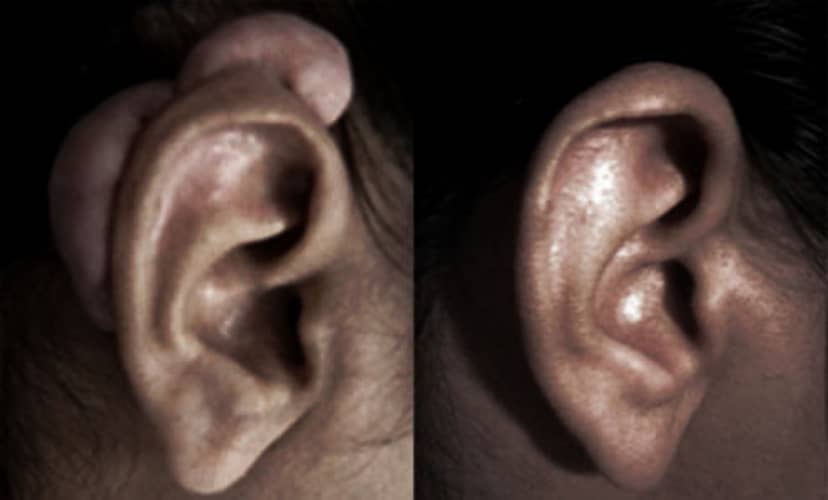
If your keloid was removed from the ear, you should avoid wearing earrings until your surgeon confirms the area has fully healed after ear keloid removal. Earrings can place pressure on the incision and irritate the tissue while it is still strengthening, which may delay recovery or increase the risk of new scar formation. Because patients who develop ear keloids are more prone to recurrence, your surgeon will advise you on when it is safe to resume wearing earrings and whether limiting future piercings may help protect your long-term results.

Leading Experts in Keloid Plastic
Surgery in Miami Beach
Signs of Infection After Keloid Removal Surgery
While mild swelling and tenderness are expected during recovery, certain symptoms may indicate an infection that requires medical attention. Recognizing these warning signs early helps protect your healing skin and prevents complications.
Watch for the following signs of infection:
- Thick yellow, green, or cloudy fluid (pus) coming from the incision
- Increasing redness that spreads beyond the surgical area
- Warmth or tenderness that worsens instead of improving
- Persistent or worsening swelling
- Pain that becomes more intense over time rather than decreasing
- Fever or general feelings of illness
- An unusual odor is coming from the wound
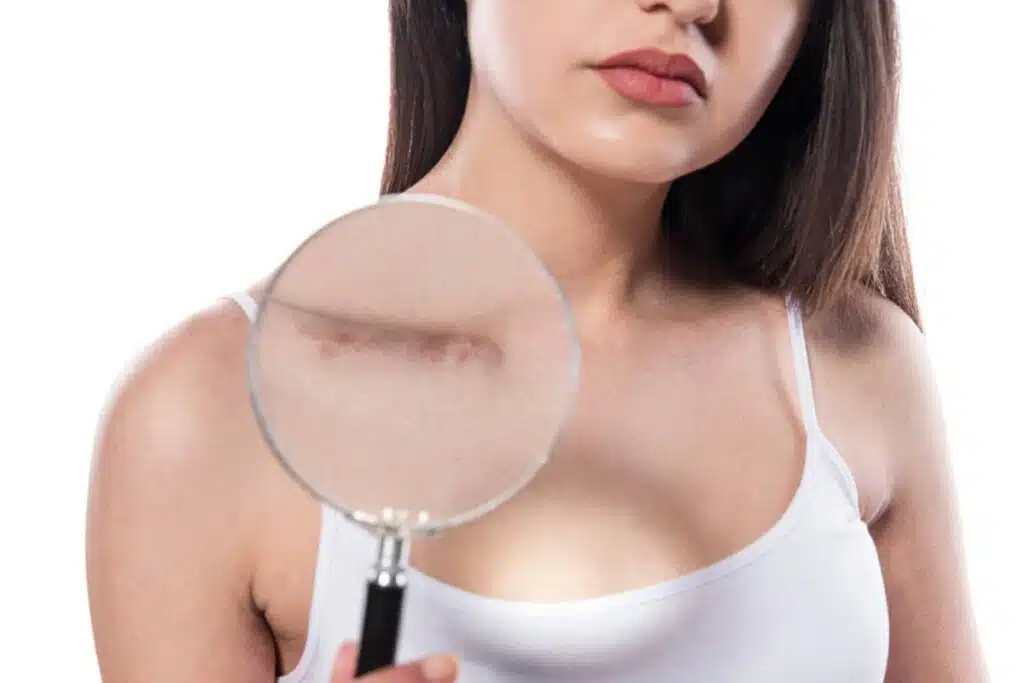
Pus is not considered a normal part of healing and may indicate that bacteria are present in the surgical site. Prompt evaluation by your surgeon allows early treatment and helps ensure your recovery stays on track.
If you notice any of these symptoms, contact your provider for guidance and appropriate care. Early treatment helps prevent complications and reduces the risk of an infected keloid interfering with your recovery.
What to Do if the Keloid Comes Back
Even with careful aftercare, some keloids can return over time, which is why understanding your next steps is important. Many treatments are available to manage recurrent scar tissue, and your surgeon will help determine the most effective approach based on your history and previous keloid removal procedures. This section highlights the options that can help reduce size, improve comfort, and protect your long-term results.
Laser Treatments
Laser-based options can help reduce the thickness and visibility of recurrent keloids by targeting excess tissue with controlled energy. Laser surgery is sometimes used to gently resurface raised areas, while laser skin resurfacing can smooth the surface and improve texture. These treatments are typically performed in stages to minimize irritation and give the skin time to respond, making them a useful option for managing returning keloids.
Radiation Therapy
Radiation therapy can be an effective option for managing recurrent keloids by targeting the overactive cells that contribute to excess scar formation. This type of radiation treatment is carefully planned to minimize irritation and support consistent improvement. When performed by an experienced provider, it is considered a safe procedure that can reduce thickness and help prevent future regrowth as part of a comprehensive care plan.
Steroid Injections
Steroid injections are often used to calm inflammation and soften tissue when a keloid begins to return. These medications work by reducing excess collagen and easing pressure within the area. Treatment is usually focused on the surgical site to prevent new buildup and support smoother healing. Early intervention can help stop a recurrent keloid from expanding beyond the original wound and becoming more difficult to manage.
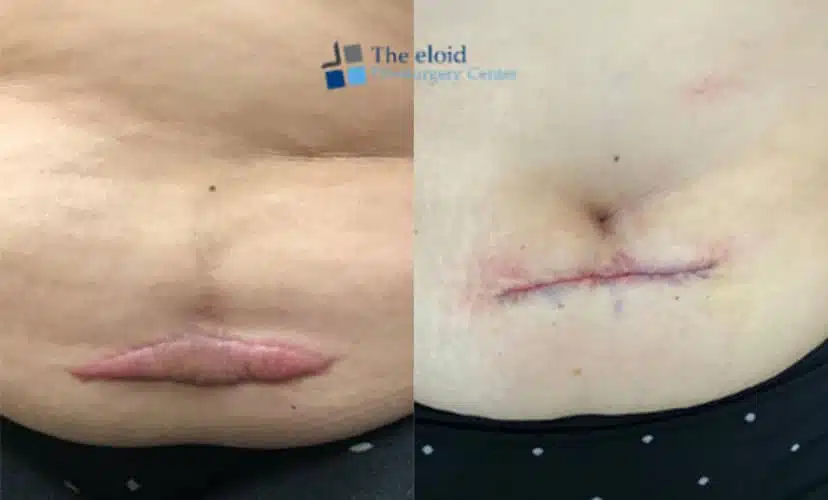
BEFORE & AFTER GALLERY
Natural & Unparalleled Results
Let a Keloid Expert Guide You Through Your Recovery
At The Keloid Plastic Surgery Center, your care is guided by board-certified plastic and reconstructive surgeons who specialize in the treatment of simple and complex keloids using advanced surgical and radiation-based techniques. Dr. Roberto Mendez and Dr. Gabriel Salloum have over 37 years of combined clinical experience and have treated thousands of patients, including severe and recurrent keloids from many areas of the body.
Their expertise in surgical scar management, combined with the use of modern XRT technology and individualized treatment planning, allows them to support safe healing, reduce recurrence risk, and provide comprehensive care throughout the keloid removal surgery recovery process.
Schedule a Consultation
If you are preparing for keloid removal surgery or have concerns during recovery, a consultation with an experienced specialist can help ensure proper healing and long-term results. Our team provides personalized evaluations and tailored aftercare guidance based on your specific condition and recovery needs. To speak with a keloid specialist or schedule your consultation, call 833-453-5643 or visit our contact page to get started.
Frequently Asked Questions About Keloid Removal Recovery
No, pus is not a normal part of the healing process. It may indicate an infection and should be evaluated by your surgeon. Clear or slightly pink fluid can be normal early in recovery, but thick yellow or green drainage requires medical attention.
Initial healing usually takes about 2 to 3 weeks, while full recovery may take several months. The exact timeline depends on the size, location, and your body’s healing response.
Yes, keloids can return after surgery. Proper aftercare, follow-up visits, and additional treatments such as steroid injections or radiation therapy can help reduce the risk of recurrence.
Most patients can resume light activities within a few days. Strenuous exercise, heavy lifting, and activities that stress the surgical area should be avoided until your surgeon confirms it is safe.
You should wait until your surgeon confirms the area has fully healed before wearing earrings. Wearing them too soon can irritate the tissue and increase the risk of recurrence.
Yes, although uncommon, a keloid removal site can become infected if bacteria enter the incision. Signs may include pus, redness, swelling, warmth, or worsening pain. Prompt treatment helps protect healing and prevents complications.