
 1 (833) 453-5643
Scars are a normal part of wound healing, but not all scars behave the same way. Some scars remain flat and fade over time, while others become raised, thickened, or continue to grow. Patients researching a hypertrophic scar vs keloid scar often notice that these two types of scars can look similar at first, yet their long-term behavior and treatment needs are very different.
Understanding how keloids and hypertrophic scars form helps reduce confusion and sets more realistic expectations about scar treatment. At The Keloid Plastic Surgery Center in Miami Beach, Dr. Roberto J. Mendez and Dr. Gabriel Salloum specialize in evaluating and treating abnormal scarring, helping patients understand their options through clear, patient-friendly guidance.
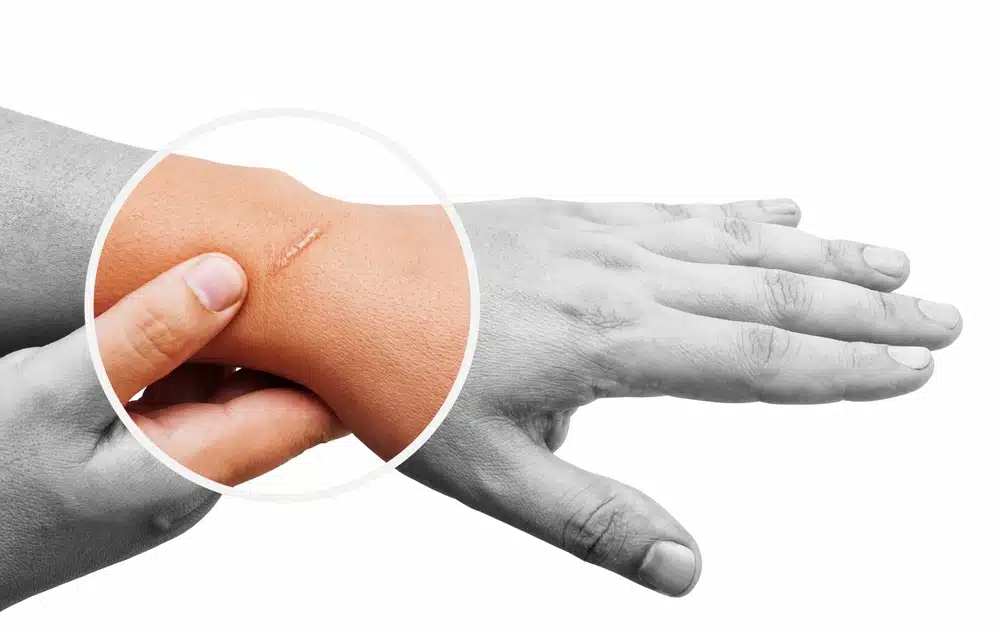
Why Some Scars Grow Differently Than Others
Scar formation depends on how the body repairs skin after injury. During wound healing, the body produces collagen fibers to close open wounds and restore the epidermis and deeper tissue. When this process is balanced, scars gradually soften and flatten. When collagen production becomes excessive or prolonged, raised scar tissue can develop.
Skin trauma from surgery, burns, acne, piercings, or other dermal injury may trigger abnormal scarring in certain individuals. Factors such as skin tension at the wound site, inflammation, and individual risk factors all influence how a scar evolves over time.
Identifying Keloids: An Abnormal Scar That Extends Beyond the Wound

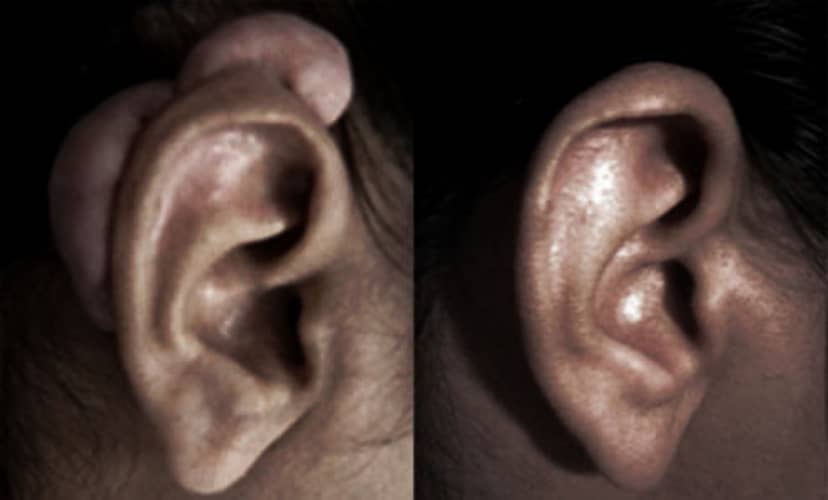
Keloids are a form of abnormal scarring characterized by continuous growth beyond the original skin injury. Unlike typical scars, keloids do not stop forming once the wound heals.
How Keloids Grow Beyond the Original Wound
Keloids develop when collagen production continues even after the skin has closed. The scar expands past the original incision or injury site, sometimes becoming much larger than the initial wound. This ongoing growth pattern is one of the key features used in diagnosis.
Common Sites Where Keloids Appear
Keloids are more likely to form in areas where the skin experiences tension or repeated trauma, including the chest, shoulders, earlobes, jawline, and upper back. They may also develop after elective surgeries, piercings, acne lesions, or burns.
Symptoms, Complications, and Prognosis of Keloid Scars
In addition to their appearance, keloids may cause symptoms such as itching, tightness, tenderness, or discomfort. Some patients experience hyperpigmentation or sensitivity around the scar. Without appropriate treatment, keloids may continue to enlarge, which can affect prognosis and increase the risk of complications such as restricted movement or chronic irritation.

Leading Experts in Keloid Plastic
Surgery in Miami Beach
Identifying Hypertrophic Scars: A Localized Overgrowth of Scar Tissue
Hypertrophic scars also involve excess collagen, but their behavior differs significantly from keloids.
How Hypertrophic Scars Stay Within the Wound Area
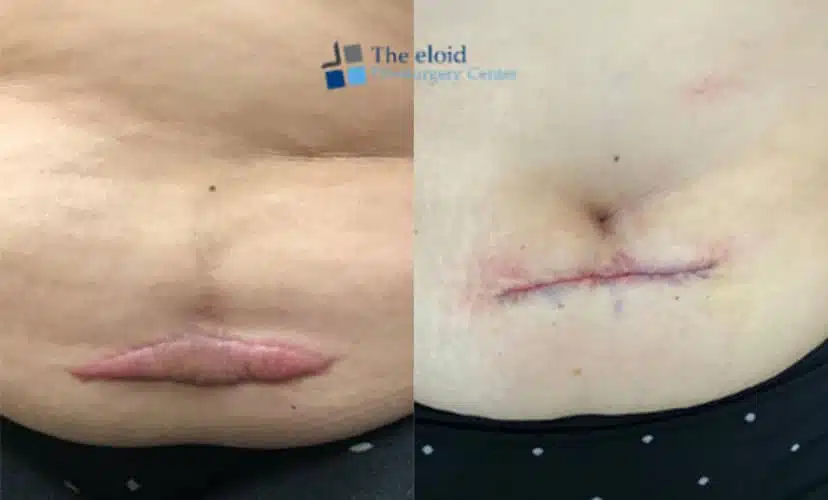
Unlike keloids, hypertrophic scars remain confined to the original wound site. They may appear raised, thick, or firm, but they do not spread into surrounding skin. Over time, many hypertrophic scars gradually flatten and soften without invasive intervention.
Where Hypertrophic Scars Most Commonly Develop
Hypertrophic scars often form after surgical incisions, burns, or injuries where the skin experiences tension during healing. They are frequently seen along joints or areas of frequent movement.
Changes in Size, Texture, and Prognosis Over Time
Hypertrophic scars may initially appear prominent, but their prognosis is generally more favorable than keloids. With time, early treatment, or conservative therapies, many improve in appearance and texture.

Keloids vs. Hypertrophic Scars: A Side-by-Side Comparison
Comparing keloids and hypertrophic scars side by side highlights why accurate diagnosis matters.
Differences in Size, Shape, and Growth Pattern
Keloids grow beyond the wound site and may continue enlarging. Hypertrophic scars remain localized and typically stabilize or improve.
Differences in Long-Term Behavior and Treatment Response
Keloids often require specialized scar treatment and careful planning due to recurrence risk. Hypertrophic scars may respond well to non-surgical treatments and conservative management.
BEFORE & AFTER GALLERY
Natural & Unparalleled Results
Risk Factors That Increase the Likelihood of Keloid Scars
Not everyone develops abnormal scarring. Certain risk factors increase susceptibility.
Genetics, Skin Type, and Collagen Response
A genetic predisposition plays a role in how collagen fibers behave during healing. Individuals with darker skin tones may have a higher risk of keloid formation, though keloids can occur in any skin type.
Age, Skin Tension, and Triggers
Keloids are more common in younger individuals and in areas exposed to repeated skin injury or trauma. Triggers include piercings, acne, surgical excision, burns, and other skin injuries.
Diagnosis, Prevention, and Early Treatment of Abnormal Scars
Accurate diagnosis is essential before choosing a treatment approach. Differentiating between hypertrophic scars and keloids helps guide appropriate care.
How Specialists Diagnose Scar Type
Diagnosis is based on scar appearance, growth behavior, symptoms, and medical history. Imaging is rarely needed, but expert evaluation is critical for complex cases.
Prevention Strategies Including Silicone and Line Treatments
Prevention may include careful wound care, minimizing tension on incisions, and early use of silicone sheets or gels. Line treatments aimed at reducing inflammation and supporting controlled healing may help lower the risk of abnormal scarring in susceptible patients.
Treatment Options and Prognosis for Scar Management
Scar treatments may include laser therapy, steroid-based approaches, surgical removal, or other therapies depending on scar type. Surgical excision of keloids requires careful planning due to recurrence risk. Prognosis varies based on scar behavior, location, and treatment timing.
How The Keloid Plastic Surgery Center in Miami Beach Approaches Scar Treatment
The Keloid Plastic Surgery Center focuses exclusively on complex scar conditions. Dr. Mendez and Dr. Salloum bring specialized experience in evaluating keloids and hypertrophic scars, allowing for patient-centered, conservative assessment before recommending treatment.
Each scar treatment plan is tailored to the individual, considering risk factors, prior treatments, scar location, and long-term goals.
Schedule a Consultation With The Keloid Plastic Surgery Center
If you are uncertain whether a raised scar is a keloid or a hypertrophic scar, expert evaluation can provide clarity. Understanding the difference helps set realistic expectations and avoid unnecessary or ineffective treatments.
Patients in Miami Beach and surrounding areas can schedule a consultation with The Keloid Plastic Surgery Center to receive personalized guidance from specialists dedicated to scar care.