
 1 (833) 453-5643
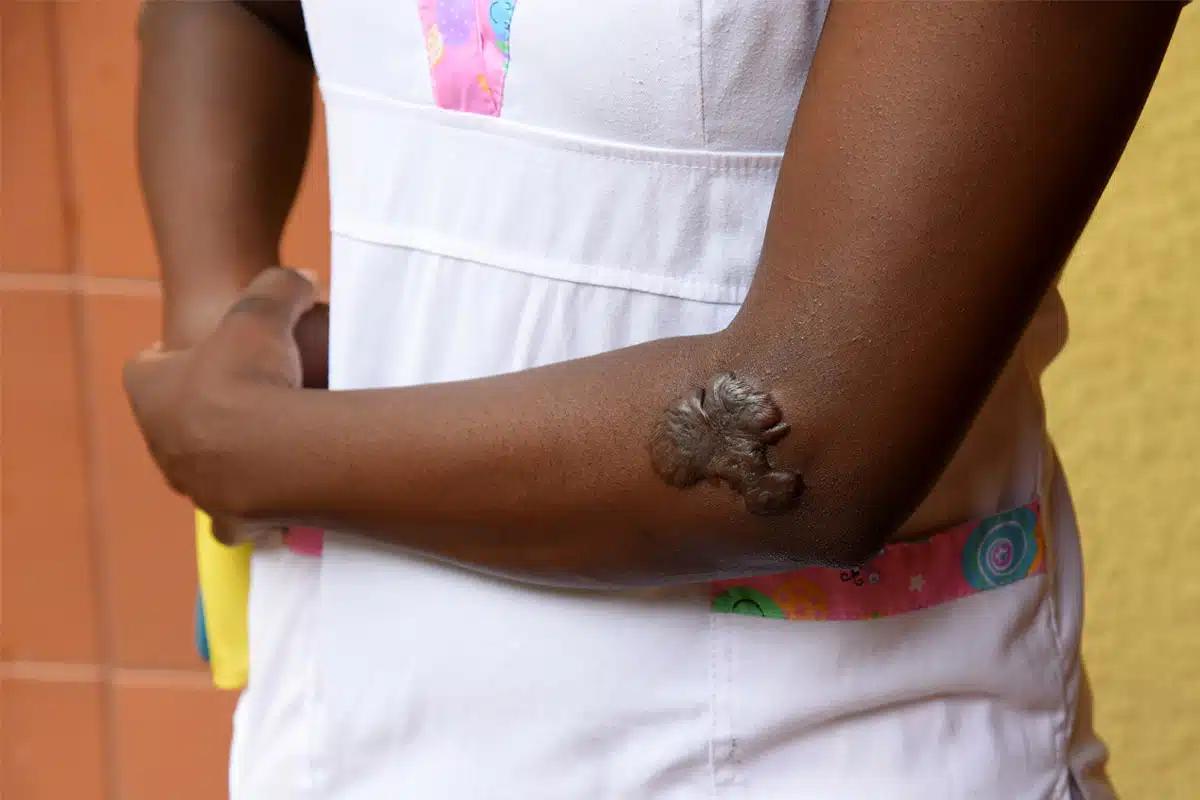
Have you ever wondered whether keloid laser vs surgery is the better choice when dealing with stubborn scars? When a skin wound heals abnormally and forms thick tissue, keloids can appear larger than the original injury. These growths can affect different types of scars and show up on many areas of the body, often leaving patients searching for effective ways to manage them.
While keloids may resemble hypertrophic scars, they behave differently and often continue to grow over time. Because each case is unique, understanding the differences between the two approaches will help you navigate the next sections of this article.
Is Laser Therapy Better Than Surgery For Keloid Removal?
Laser therapy and surgery each offer potential benefits, but whether one is better truly depends on your specific case. Factors like the appearance of scars, the size of the keloid, and how it responds to conservative treatments all influence the choice. Laser therapy can help soften tissue, improve texture, and enhance aesthetic outcomes for some patients, especially when the keloid is smaller or less aggressive.
Surgical removal may be more effective for larger or more complex keloids, but it often requires additional therapies to reduce the risk of recurrence. Neither option is universally superior, and both deliver meaningful results when matched to the right situation. Determining whether laser treatment or surgical excision is appropriate requires clinical evaluation and should be based on the specific characteristics of the keloid.
Laser vs Surgery for Keloid Removal: Key Differences
When comparing laser vs surgery for keloid removal, the primary difference lies in how each approach addresses scar tissue. Choosing between these treatments depends on factors such as scar size, depth, growth behavior, and prior response to treatment. Below is an overview of both approaches to guide your decision-making.
Laser Treatments for Keloids
Keloid laser treatment uses focused energy to gently reshape raised scar tissue and improve its appearance. Techniques like ablative laser and fractional laser resurfacing work by targeting the excess collagen within the keloid, allowing the tissue to remodel into something that more closely resembles normal skin. These methods can be especially helpful in areas of skin that are sensitive or difficult to treat with more invasive options.
Laser therapy is often less aggressive than other therapies and aims to reduce thickness, soften texture, and improve overall comfort. By delivering controlled energy to the scar, it encourages gradual improvement and may serve as a helpful option before considering surgical removal.
It is generally best suited for small keloids and may be used before or in combination with surgical removal when greater reduction is needed.
Surgical Excision of Keloid Scars
Surgical excision involves carefully removing the keloid through a precise surgical incision, allowing the surgeon to eliminate the bulk of the scar tissue in one procedure. This approach is often chosen for larger or more persistent keloids that have not responded well to noninvasive treatments. By physically removing the excess tissue, the goal is to create a flatter, smoother surface that can heal more predictably.
Once the keloid is removed, the area is closed with delicate techniques that may include fine surgical thread to minimize additional tension on the skin. Because surgery can trigger new scar formation, it is often combined with follow-up therapies to help reduce recurrence. This method provides a direct and effective option for cases requiring more than surface-level correction.

Leading Experts in Keloid Plastic
Surgery in Miami Beach
Advantages of Each Keloid Treatment
This section highlights what each method can offer when used appropriately. Laser therapy and surgical excision provide different strengths, and understanding those benefits can help you align your expectations with the approach that suits your needs best. Below is a closer look at the advantages each procedure brings to the table.
Pros of Laser Keloid Treatments
Laser treatments offer several meaningful benefits for patients seeking a gentler approach to keloid management. Because the process involves less trauma to the surrounding tissue, it often leads to quicker recovery and improved comfort during healing. Laser technology can help flatten raised scars and soften their texture, giving the treated area a smoother appearance.
Another advantage is that laser therapy reduces the risk of keloid formation in areas adjacent to the scar by promoting controlled healing. It is also a faster procedure compared to surgery, making it a practical choice for patients seeking minimal downtime while still achieving visible improvements.
Pros of Surgical Keloid Removal
Surgical removal can offer more dramatic results for patients dealing with large or persistent keloids that have not responded well to other approaches. By excising the entire growth, this method provides an immediate reduction in bulk and creates an opportunity for the surrounding skin to heal more smoothly. Many patients notice significant scar improvement once the excess tissue has been removed.
Another advantage is the ability to address deeper or more complex scar formations that laser treatments alone may not fully manage. Surgery also allows for precise reshaping of the affected area, giving patients a clearer starting point for follow-up therapies that support long-term results.
Disadvantages of Keloid Removal Treatments
While both laser therapy and surgical excision offer meaningful benefits, each approach also comes with limitations that patients should consider before committing to a plan. Understanding these drawbacks helps set realistic expectations and allows you to make a decision that aligns with your goals, comfort level, and previous response to treatment. Below is an overview of the key challenges associated with each method.
Cons of Laser Keloid Treatments
One of the main limitations of laser therapy is its limited scope in treating larger or more aggressive keloids. While it can help soften and improve the appearance of raised scars, it may not provide enough reduction for thicker or more persistent growths. Some patients also require multiple sessions to achieve noticeable improvement, which can lengthen the overall treatment timeline.
Additionally, laser therapy does not fully address the deeper components of a keloid, meaning recurrence is still possible without supplementary treatments. For patients needing substantial tissue removal or immediate contour correction, laser therapy may offer only partial results compared to more direct options like surgical excision.
Cons of Surgical Keloid Removal
Surgical removal can be highly effective, but it also comes with notable drawbacks that patients should be aware of before committing to the procedure. Because it involves physically cutting into the scar tissue, the process may trigger the formation of new keloids in individuals who are more prone to aggressive healing. This risk makes careful planning and follow-up therapies essential.
Another consideration is that surgery often requires a longer healing process compared to laser treatments, especially when the incision spans a larger area. Swelling, tenderness, and the need for consistent postoperative care can extend the healing timeline. For some patients, these factors make surgery a more demanding option that must be weighed against its potential benefits.
Consult with a Keloid Expert Today
Choosing an experienced expert dermatologist or plastic surgeon is essential when treating keloids, since these scars behave differently from other types of tissue growth and may require a combination of therapies. Keloid care often involves other treatments such as corticosteroid injections (steroid injections), cryotherapy, silicone gels, and radiation therapy. Working with a specialist ensures that each option is considered carefully to maximize safety and improve outcomes.
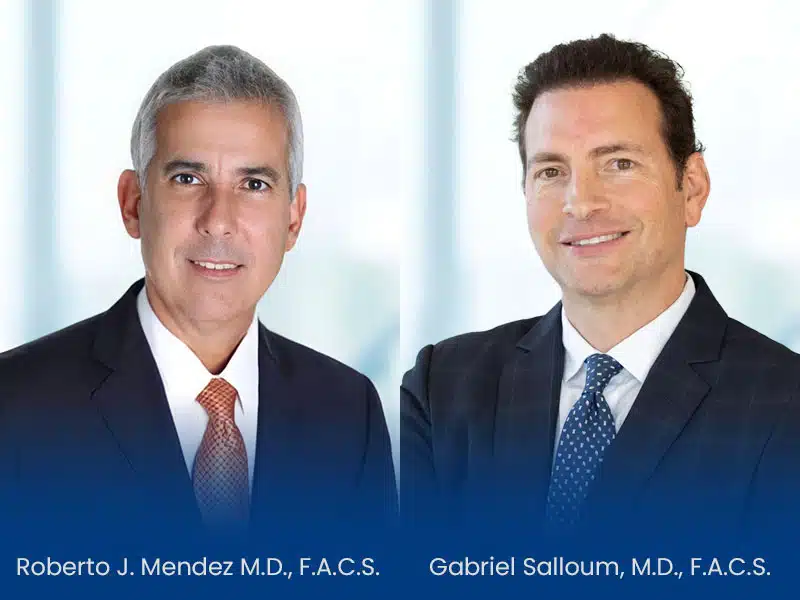
At The Keloid Plastic Surgery Center, our board-certified Plastic and Reconstructive Surgeons, Dr. Roberto Mendez and Dr. Gabriel Salloum, have extensive experience treating keloids of all sizes and complexities. We also provide several more treatments to help patients achieve long-lasting results, and we are among the few practices in the country offering advanced XRT technology. To schedule your consultation, call us at 833-453-5643 or visit our contact page today.
FAQs About Keloid Removal Treatments
Yes, keloids can be removed, but the treatment approach depends on the size, location, and behavior of the scar. Some keloids can be improved with non-surgical treatments, while others require surgical excision to remove the bulk of the scar tissue.
Laser treatment for keloids can improve thickness, texture, and symptoms, but it does not remove the deeper portions of a keloid. For larger or persistent scars, laser keloid removal alone may not be sufficient, and surgical excision is often required to remove the bulk of the keloid and achieve a more definitive reduction.
It is uncommon for a keloid to go away without treatment. While some keloids may stop growing, they rarely shrink or disappear on their own. Medical evaluation is often needed to determine whether intervention is recommended based on symptoms or cosmetic concerns.
Keloid scars do not always go away permanently, even after treatment. Because keloids form due to an abnormal healing response, there is always a possibility of recurrence. Long-term improvement often depends on combining treatments and careful follow-up.