
 1 (833) 453-5643
Have you recently undergone cryotherapy or cryosurgery and noticed unexpected changes in your skin tone afterward? While this procedure is a common and effective treatment for benign skin lesions, such as actinic keratosis, as well as superficial skin cancer, it is also widely used for issues like warts and skin tags. Because it involves freezing targeted tissue, it is normal for the treated area to react visibly during the healing process.
Even though cryotherapy is considered safe and efficient, patients often experience temporary changes in pigmentation as their skin recovers. These shifts can raise concerns, especially when the treatment area is easily noticeable. In this article, we break down why these changes happen, what to expect during recovery, and how to support your skin as it works toward complete healing.
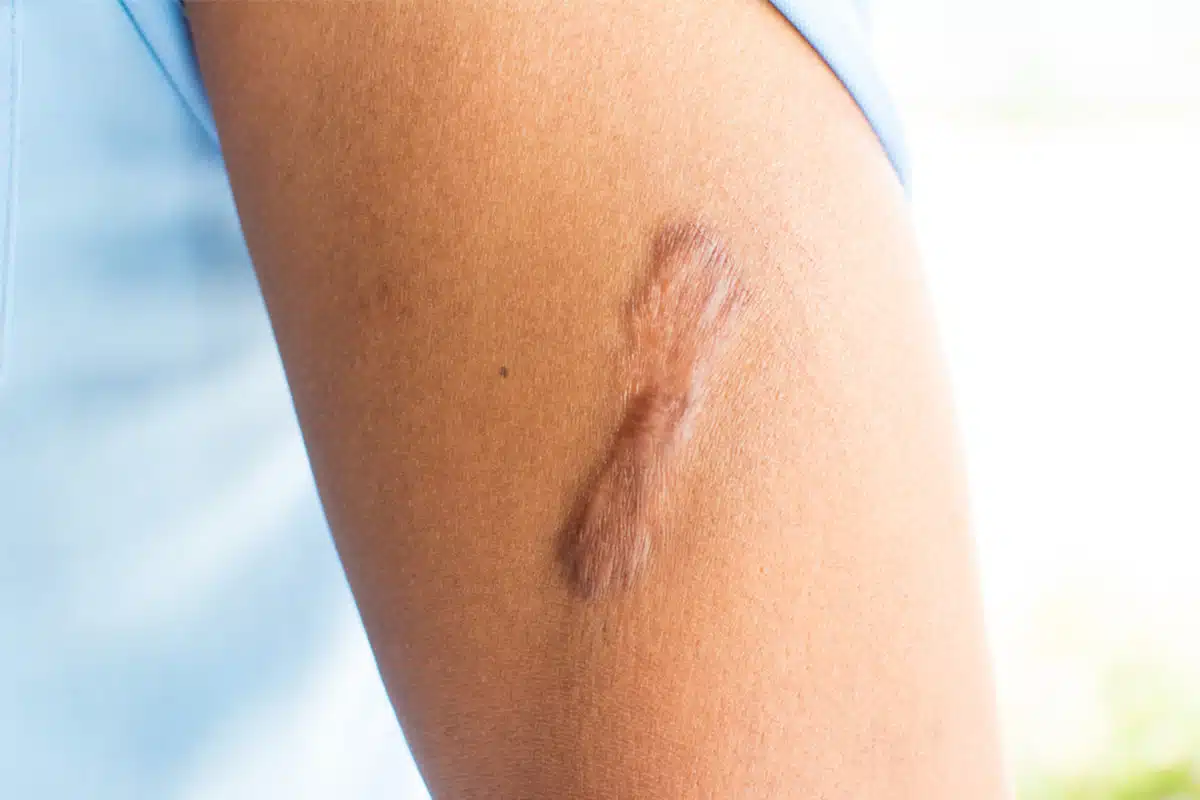
What Happens to the Skin After Cryotherapy?
After cryotherapy, the skin goes through a series of expected reactions as part of the healing process. The treated area may first show mild discomfort along with redness or swelling. In many cases, a blister may form within a day or two, which is a normal response as the frozen tissue begins to separate from healthy skin. The blister may later dry out, forming a scab that protects the area while deeper layers repair themselves.
As healing continues, the skin may temporarily darken or lighten depending on how your body responds to the procedure. These changes can last several weeks and may shift in appearance until complete healing occurs. While these reactions are common, understanding them can help you feel more at ease as you follow the steps outlined in the rest of this article.
Key Factors Contributing to Skin Discoloration After Cryotherapy
Skin discoloration after cryotherapy is influenced by several elements related to how your skin reacts during healing. Your skin tone, the depth of freezing, and the overall sensitivity of the treated area all play a role in how pigmentation shifts. Understanding these contributing factors can help you anticipate what is normal and identify when additional care may be needed.
- Intensity and duration of cold exposure: Longer or more intense freezing increases tissue disruption, which can make pigment changes more noticeable. Deeper freezing may create a stronger inflammatory response, leading to temporary darkening or lightening.
- Skin type and existing conditions: Individuals with naturally darker skin tones or underlying skin sensitivities may experience more pronounced discoloration. Conditions like eczema, dermatitis, or prior inflammation can also influence how the skin heals and restores pigment.
- Pressure and technique: The way the liquid nitrogen is applied affects the outcome. Too much pressure or uneven technique can freeze surrounding tissue unintentionally, causing broader pigmentation changes as the skin repairs itself.
Tips for Managing Skin Discoloration During Healing
Supporting your skin during recovery from cryotherapy can make discoloration less noticeable and help encourage healthy skin healing. Taking a gentle and proactive skincare approach gives the treated area a better chance to recover evenly. The following tips can also help reduce scar formation while keeping irritation to a minimum.
- Keep the area moisturized: Hydrating the skin helps maintain flexibility as it heals. Using mild, fragrance-free moisturizers supports barrier repair and minimizes dryness around the treated spot.
- Protect the skin from sun exposure: Sunlight can intensify discoloration, especially while the skin is sensitive. Applying sunscreen regularly shields the healing area and helps prevent long-lasting pigmentation changes.
- Avoid picking at scabs or blisters: Allowing the skin to heal undisturbed prevents accidental injury and reduces the risk of scarring. Picking can delay healing and leave the area more vulnerable to irritation.
- Use gentle skincare products: Harsh exfoliants or strong active ingredients can irritate sensitized skin. Opt for calming, non-abrasive products until the area has fully recovered.
Effective Alternatives to Cryotherapy Treatments
Several alternative treatments can help address various skin conditions when cryotherapy is not the preferred option. Laser treatment is often recommended for patients seeking a more controlled and precise approach, especially for pigmentation concerns or shallow lesions. While it offers customizable depth and reduced discomfort, it may require multiple sessions and can be more costly than other methods.
Radiation therapy may be used in select cases, such as when treating certain lesions that are resistant to other approaches. Although effective, it is generally reserved for more persistent conditions and is not typically the first choice for routine concerns.
Other non-freezing options include topical medications and minimally invasive procedures designed to target specific concerns with less tissue trauma. These methods provide flexibility for various skin conditions and can offer a gentler recovery experience for individuals sensitive to freezing-based treatments.
Recognizing Signs That Warrant an Expert’s Consultation
As your skin heals after cryotherapy, it is important to watch for signs that something may not be progressing normally. While mild redness or tenderness is expected, certain symptoms indicate that the healing process may need professional evaluation.
- Prolonged pain: If discomfort continues well beyond the expected healing window, it may signal deeper irritation or complications that require attention.
- Pus or unusual discharge: Any presence of pus, bad smell, or oozing from the treated area could suggest an infection developing beneath the skin.
- Increasing redness or warmth: Spreading redness or heat around the site may indicate inflammation that is not resolving on its own.
- Scarring or skin texture changes: Raised, thickened, or uneven texture may suggest abnormal healing that should be checked by a specialist.
If you notice any of these changes, it is best to schedule a visit with a plastic surgeon or dermatologist who can assess your progress and recommend next steps. This ensures a smooth transition into the supportive care discussed in the following section.
Consult with a Keloid Expert Today
When dealing with skin changes after a procedure, choosing the right expert makes all the difference. A skilled plastic surgeon can evaluate the treated area, explain what is normal during healing, and determine whether additional care is needed. Patients with changes on the face or body especially benefit from guidance that prioritizes both medical safety and cosmetic outcomes.
At The Keloid Plastic Surgery Center, our board-certified Plastic and Reconstructive Surgeons, Dr. Roberto Mendez and Dr. Gabriel Salloum, provide attentive and personalized care for patients experiencing skin discoloration or complex scar behavior. Our team offers advanced treatment options and ongoing support to help your skin recover smoothly and confidently. To schedule a consultation, call 833-453-5643 or visit our contact page today.