
 1 (833) 453-5643
When a child develops a raised or unusual scar, many parents worry about what it means and whether treatment is necessary. Keloid scars can form at any age, but treatment decisions often depend on a child’s stage of growth and skin development.
Toddlers vs teenagers keloid treatment involves different medical considerations because a child’s age can affect skin healing, scar development, and treatment planning. Keloid scars may form after injuries, surgical procedures, or skin irritation, and treatment decisions for children often depend on growth stage, diagnosis, and risk of recurrence. Understanding how keloid formation differs between younger children and adolescents helps parents make informed decisions about when to seek care.

At The Keloid Plastic Surgery Center in Miami Beach and Aventura, Florida, Dr. Roberto J. Mendez and Dr. Gabriel Salloum provide evaluation and treatment for keloid scars. Their approach focuses on personalized scar management and careful treatment planning based on each patient’s needs.
What Parents Should Know About Pediatric Keloid Treatment
- Keloids can develop in children and teenagers after skin injury or surgery.
- Treatment planning often depends on age, growth, and scar behavior.
- Early diagnosis may help prevent keloid scars from becoming larger.
- Treatment options may include non-surgical and surgical approaches.
- Specialist care helps guide safe and effective scar management.
What Is a Keloid and Why Do They Form in Children and Teens?
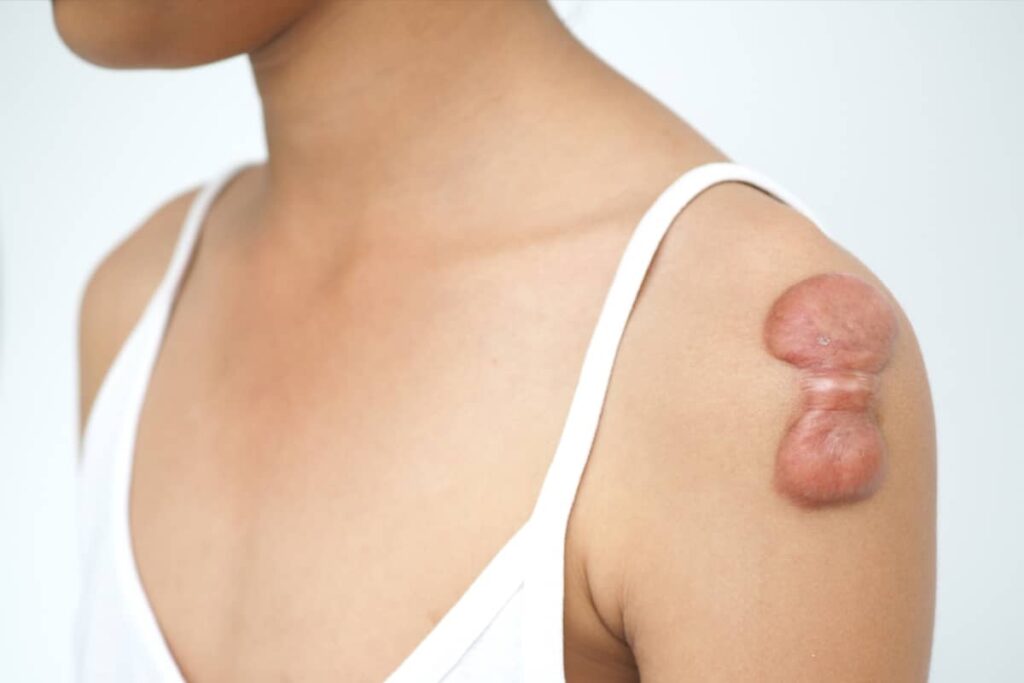
A keloid is a raised scar that develops when the body produces excess collagen during wound healing. Unlike hypertrophic scars, which remain within the boundaries of the original wound, keloid scars grow beyond the injured area and may continue to enlarge over time. Although hypertrophic scars may improve over time, keloid scars often continue to grow without treatment.
Keloid formation can occur after:
- Cuts or injuries to the skin
- Surgical incisions
- Burns or trauma
- Acne or skin inflammation
- Ear piercings or other cosmetic procedures
In pediatric patients, the healing process may be influenced by growth and changing skin characteristics, which can affect scar development and treatment outcomes.
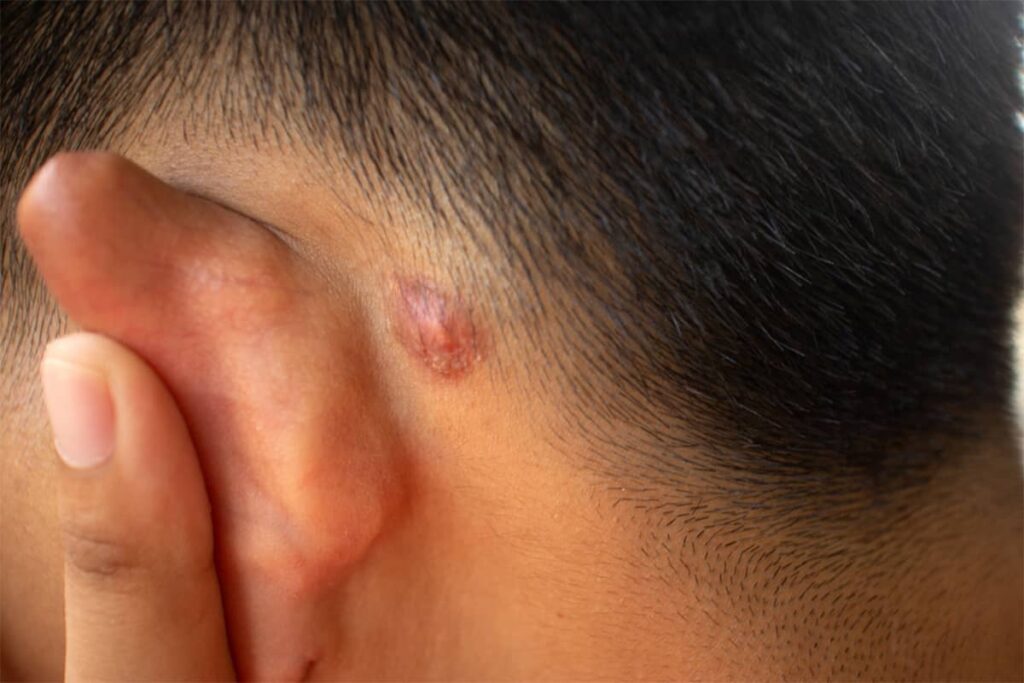
Do Keloids Behave Differently in Toddlers vs Teenagers?
While keloids form through similar biological processes in all age groups, their clinical features, diagnosis, and treatment considerations may vary between toddlers and teenagers.
How Keloids Develop in Toddlers
developing, scar tissue may change as the child grows.
Important considerations for toddlers include:
- Rapid growth and skin changes that may affect scar appearance
- Difficulty monitoring symptoms such as pain or itching
- Greater sensitivity to procedures
- Careful timing of treatment due to development
Management of keloids in young children often focuses on monitoring and conservative treatment approaches when appropriate.
How Keloids Develop in Teenagers
Teenagers may develop keloids from different causes, including acne lesions, ear piercings, or sports-related injuries. Hormonal changes during adolescence may also influence skin healing and scar formation.
Common concerns for teenagers include:
- Cosmetic impact and self-confidence
- Higher risk of keloids from piercings or acne scars
- Increased awareness of symptoms
- Desire for visible scar improvement
Treatment decisions for adolescents may consider both medical and psychosocial factors.

Leading Experts in Keloid Plastic
Surgery in Miami Beach
Diagnosis and Risk Factors for Keloid Formation in Pediatric Patients
Diagnosis of Keloid Scars
Diagnosis typically involves a clinical examination of the scar’s appearance, thickness, and growth pattern. Keloids often appear as firm, raised lesions that extend beyond the original wound and may cause itching or discomfort.
A specialist evaluates the scar’s clinical features and medical history to determine the most appropriate management approach.
Risk Factors for Keloid Formation
Certain factors may increase the risk of keloid formation in children and teenagers.
Common risk factors include:
- Family history of keloid scars
- Skin injury or surgical scars
- Ear piercing in adolescents
- Inflammatory skin conditions such as acne
- Previous abnormal wound healing
Understanding risk helps guide prevention strategies and treatment timing.
What Treatment Options May Be Considered for Pediatric and Adolescent Keloids?
Treatment plans for keloid scars depend on the patient’s age, scar characteristics, and overall health. Management of keloids may involve non-surgical therapies, surgical excision of keloids, or combination treatment approaches.
Non-Surgical Treatment Options
Conservative treatment approaches may help manage symptoms or reduce scar thickness.
These options may include:
- Corticosteroid injections to reduce inflammation
- Silicone-based scar therapy
- Monitoring and supportive scar management
Non-surgical therapies may be recommended before considering surgical treatment, particularly for younger patients. Corticosteroid injections are commonly used in keloid treatment, and these injections may help reduce inflammation and scar thickness in selected patients.
Surgical Excision and Advanced Treatment Options
In some cases, surgical excision may be considered to remove keloid scar tissue. Surgical treatment is often combined with additional therapies to help reduce the risk of recurrence.
A specialist determines whether surgery is appropriate based on scar size, location, and patient factors.
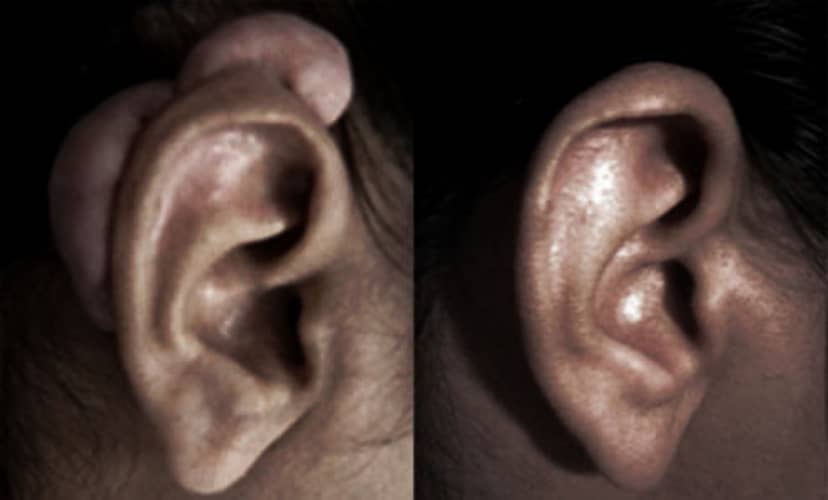
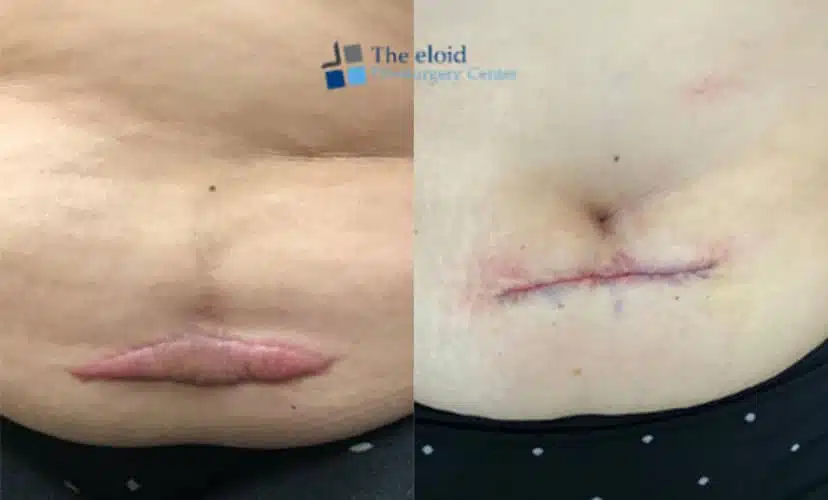
BEFORE & AFTER GALLERY
Natural & Unparalleled Results
Why Early Diagnosis Matters for Toddlers, Teenagers, and Everyone In Between
Early diagnosis allows for better monitoring and management of keloid scars before they increase in size or thickness. Smaller scars may respond more effectively to treatment and may provide more options for management.
Delaying treatment may allow scar tissue to grow, which can limit available treatment approaches and affect outcomes.
Why Age-Specific Treatment Planning Matters
Children and teenagers experience ongoing physical development, which influences wound healing and scar behavior. Treatment planning must consider growth patterns, skin changes, and long-term outcomes.
Age-specific planning helps:
- Reduce the risk of recurrence
- Improve treatment safety
- Support better healing outcomes
- Minimize discomfort or complications
A personalized treatment plan helps address each patient’s needs.
Why Specialized Pediatric Keloid Care Matters
Treating keloid scars in children and teenagers requires careful planning because skin continues to grow and change throughout development. Pediatric patients may need age-appropriate evaluation, gentle treatment approaches, and long-term scar management strategies that support healthy healing over time. Choosing a specialist experienced in keloid treatment helps ensure safe care tailored to each child’s needs.
Dr. Roberto J. Mendez
Dr. Roberto J. Mendez is a board-certified plastic surgeon who focuses on keloid scar treatment and reconstructive procedures. He provides personalized care for pediatric and adolescent patients, with treatment planning designed to support healing while considering growth and long-term outcomes.
Dr. Gabriel Salloum
Dr. Gabriel Salloum provides surgical and non-surgical treatment options for patients with complex scar conditions. He works closely with families to develop individualized treatment strategies that address both medical concerns and cosmetic goals.
When Should Parents Schedule a Consultation With a Keloid Specialist?
Parents should consider evaluation if a child develops a raised scar that continues to grow, causes discomfort, or changes in appearance. Early consultation supports timely diagnosis and helps determine appropriate treatment options.
You may wish to seek professional care if your child experiences:
- Rapidly growing scar tissue
- Pain, itching, or irritation
- Thickened or expanding scars
- Keloid formation after injury or surgery
- Concerns about cosmetic appearance
Expert Keloid Treatment in Miami Beach and Aventura, Florida
Patients from Miami Beach, Aventura, and surrounding areas seek care at The Keloid Plastic Surgery Center for evaluation and treatment of keloid scars. The practice offers specialized treatment approaches and individualized care designed to support long-term outcomes.
Schedule a Consultation for Your Child
If your child develops a keloid scar or shows signs of abnormal wound healing, professional evaluation can help determine the most appropriate treatment plan. The Keloid Plastic Surgery Center provides diagnosis and treatment for keloid scars and offers personalized care for pediatric and adolescent patients.
Scheduling a consultation allows families to discuss treatment options, risk factors, and management strategies with experienced specialists.
Frequently Asked Questions About Treating Keloids in Toddlers and Teenagers
Yes. Keloids may continue to enlarge over time, especially if left untreated. Growth patterns vary based on individual healing response.
Keloids can recur after treatment in any age group. Careful treatment planning helps reduce this risk.
Yes. Ear piercings may trigger keloid formation in patients prone to abnormal scar healing.